My sister-in-law texted me last week asking whether she should get her husband an electric smoker or a pellet grill for his birthday. Simple question, right? Twenty minutes and about six follow-up questions later, I realized this is actually one of the more nuanced beginner decisions in the whole smoking world, because both genuinely deliver on the “easy” promise, just in different ways.
Here’s the version of that conversation I wish I could have had with a cheat sheet in hand.
Both Are Genuinely Beginner-Friendly
Let’s start with what they have in common, because it’s a lot. Neither requires the fire management skill that charcoal demands. Both let you set a temperature and walk away for meaningful stretches. Both use wood, chips in an electric unit’s side tray, actual pellets in a hopper-fed pellet grill, to add smoke flavor without you actively tending a flame. If your main goal is “I want to smoke meat without becoming a hobbyist,” either one gets you there.
Where They Actually Diverge
Flavor Depth
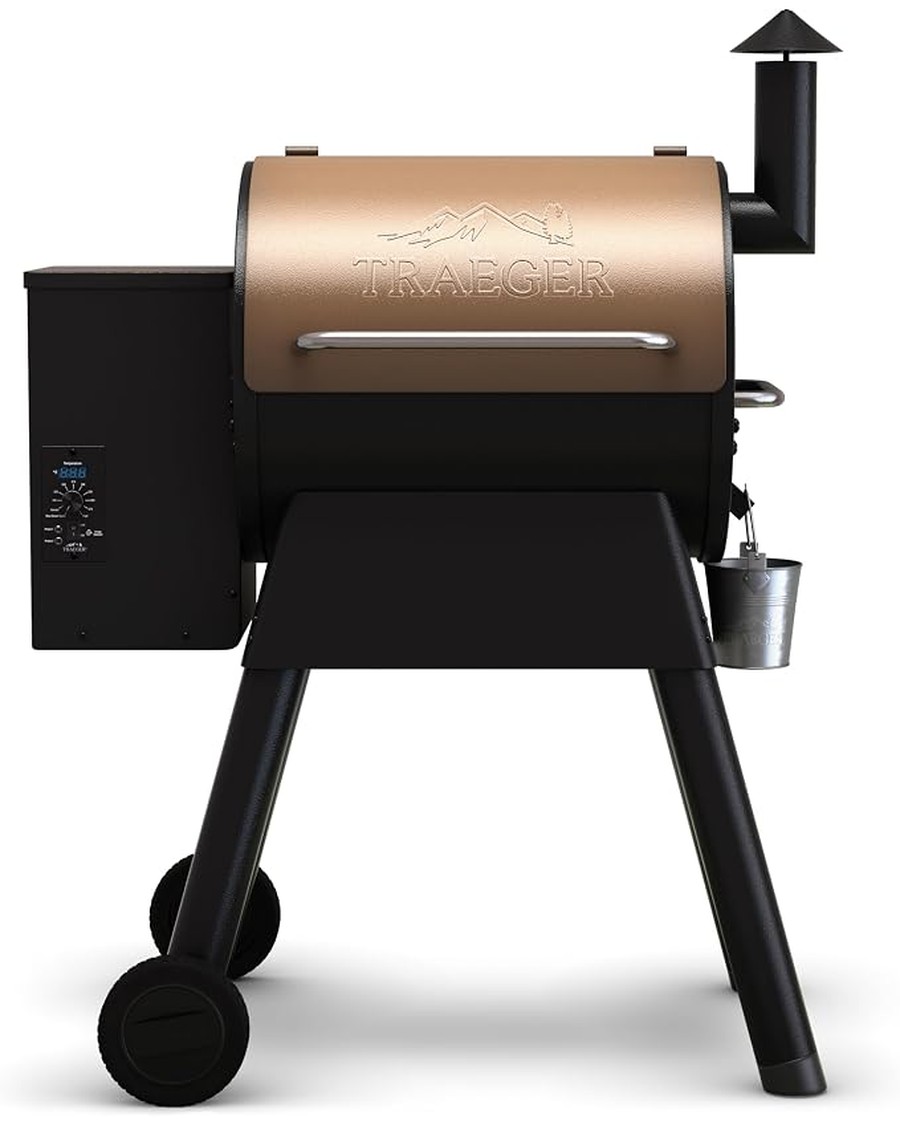
This is the biggest real difference. Pellet grills burn actual wood as their primary fuel, which means more of the combustion byproducts that create deep smoke flavor and a visible smoke ring. Electric smokers heat with a resistive element and use wood chips more as a flavor accent than a true fuel source, the result is good, but noticeably milder. If flavor intensity is your priority, pellet wins clearly.
Versatility
Most pellet grills double as genuine outdoor ovens, capable of searing, baking, and roasting at higher temperatures, not just low-and-slow smoking. Electric smokers are more purpose-built for smoking specifically and typically top out at lower maximum temperatures, fine for ribs and brisket, less useful if you also want to sear a steak on the same appliance.
Running Cost
Electric wins here by a real margin. At typical residential electricity rates, an electric smoker running roughly 1,500 watts costs meaningfully less per hour than a pellet grill burning through pellets, especially once you push into higher temperature ranges where, according to PelHeat’s pellet consumption research, hourly usage can climb toward two and a half pounds. If you’re smoking every weekend, that difference adds up over a season.
Weather Resistance
Pellet grills rely on a consistent auger feed and a firepot that needs protection from moisture, heavy rain or a poorly sealed hopper can cause real problems. Electric smokers are simpler mechanically and tend to be a bit more forgiving of the elements, though neither should be run uncovered in genuinely bad weather.
Long-Term Maintenance
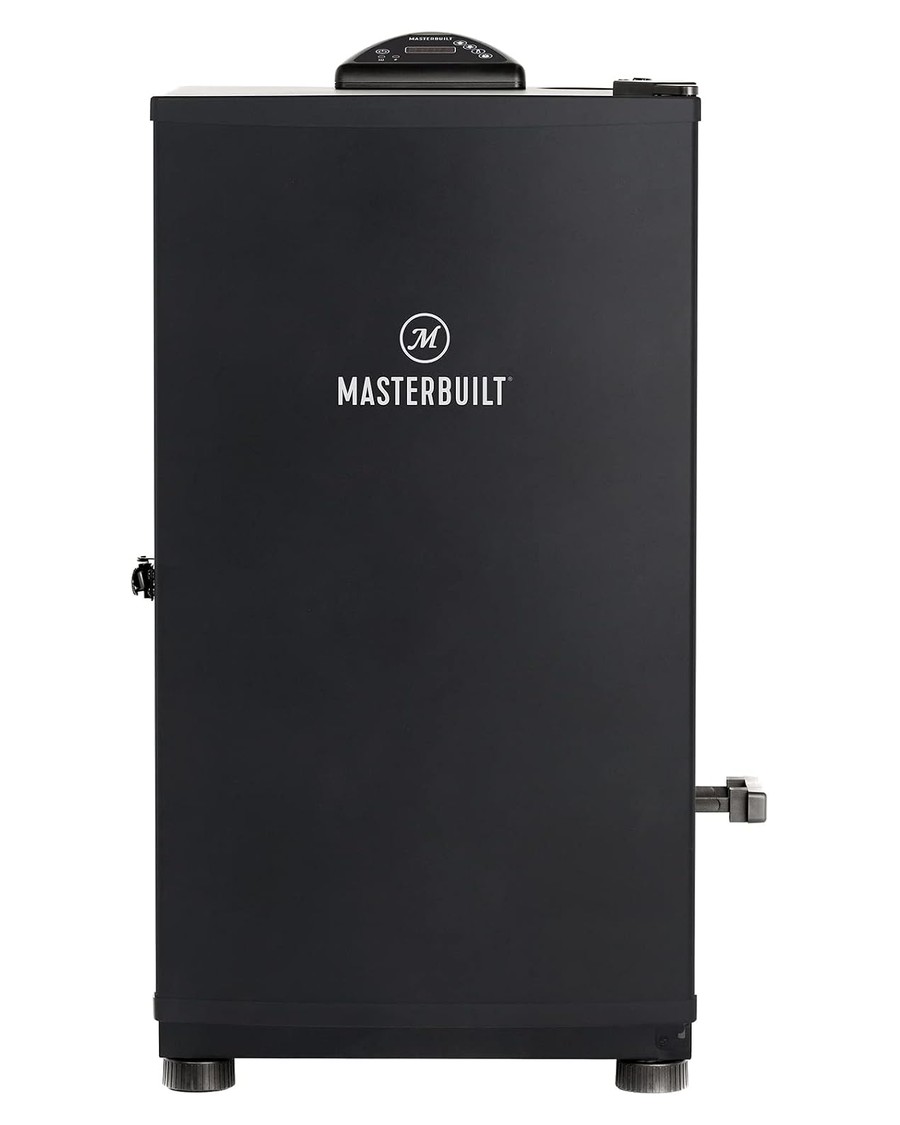
Pellet grills have more moving parts, an auger motor, an igniter rod, a fan, all of which can eventually need attention or replacement. Electric smokers are mechanically simpler, usually just a heating element and a digital or analog controller, which generally means fewer things that can break over years of use. Neither is high-maintenance by smoker standards, but if you want the absolute lowest-fuss option long-term, electric has the edge.
Learning Curve
Both are beginner-friendly, but pellet grills do ask a little more of you upfront, understanding hopper management, occasional auger jams, and how consumption changes with temperature. Electric smokers are about as close to plug-and-play as smoking gets. If the birthday recipient in question has never smoked anything before and gets easily frustrated by troubleshooting, that simplicity is worth factoring in.
So What Did I Tell My Sister-in-Law?
I asked her two questions back. First: does he ever mention wanting to sear steaks or bake something on the same unit, or is he purely thinking about ribs and brisket? Second: does he care more about maximum convenience or maximum flavor if he had to pick one?
Her answers, purely smoking-focused and flavor-over-convenience, pointed straight at a pellet grill. If she’d said he just wants easy weeknight dinners without much fuss and doesn’t care about searing, I’d have pointed her toward electric instead.
A Quick Decision Framework
- Pick electric if: you want the lowest running cost, you’re smoking in a covered or somewhat sheltered space, or true “leave the house for hours” confidence matters most to you.
- Pick pellet if: flavor depth matters to you, you want one appliance that can smoke and sear and bake, or you’re willing to spend a bit more per cook for noticeably better results.
If you’re leaning pellet, our full pellet smoker reviews break down which current models handle temperature swings best. If electric feels like the better fit, our electric smoker reviews cover the same ground for that category.
My sister-in-law ended up going with the pellet grill. Her husband’s first cook was a rack of ribs that, according to the group chat, “actually made him emotional.” I’ll take that as a correct recommendation.
Either way, don’t overthink this one too much. Both categories have come a long way from the finicky early versions people remember, and either choice will genuinely smoke good food if you put reasonable care into the cook. The decision matters less than actually using whichever one you end up with regularly.