Offset smoker vs vertical smoker airflow differences are central to how each cooker performs. This guide explains how both designs move heat and smoke, how that shapes flavor, temperature control, fuel use, and the hands-on work required, so you can choose with confidence.
Offset smokers: how they work
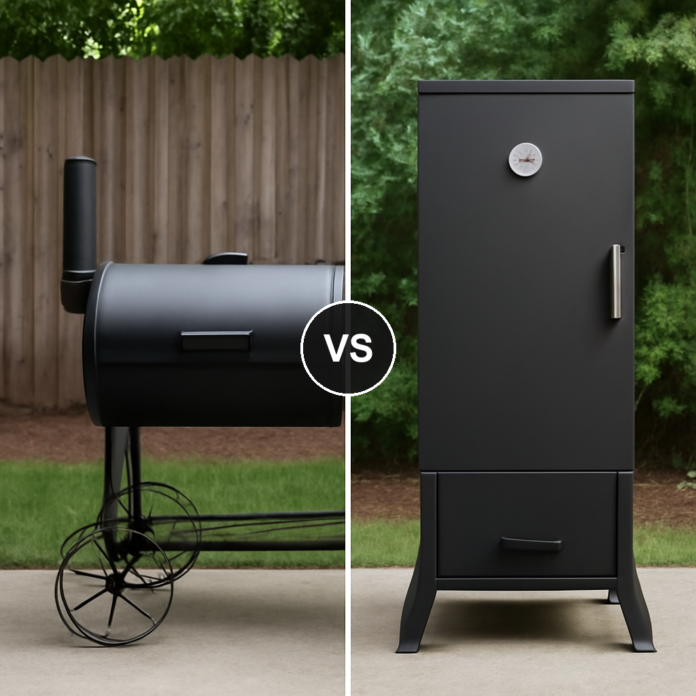
Offset smokers burn a live wood fire in a side-mounted firebox. Intake vents feed oxygen to the fire; heat and smoke enter the main cook chamber, travel horizontally across the food, and exit through the chimney. This lateral draft explains the offset smoker vs vertical smoker airflow differences: an offset moves smoke side-to-side along a long chamber, not straight upward.
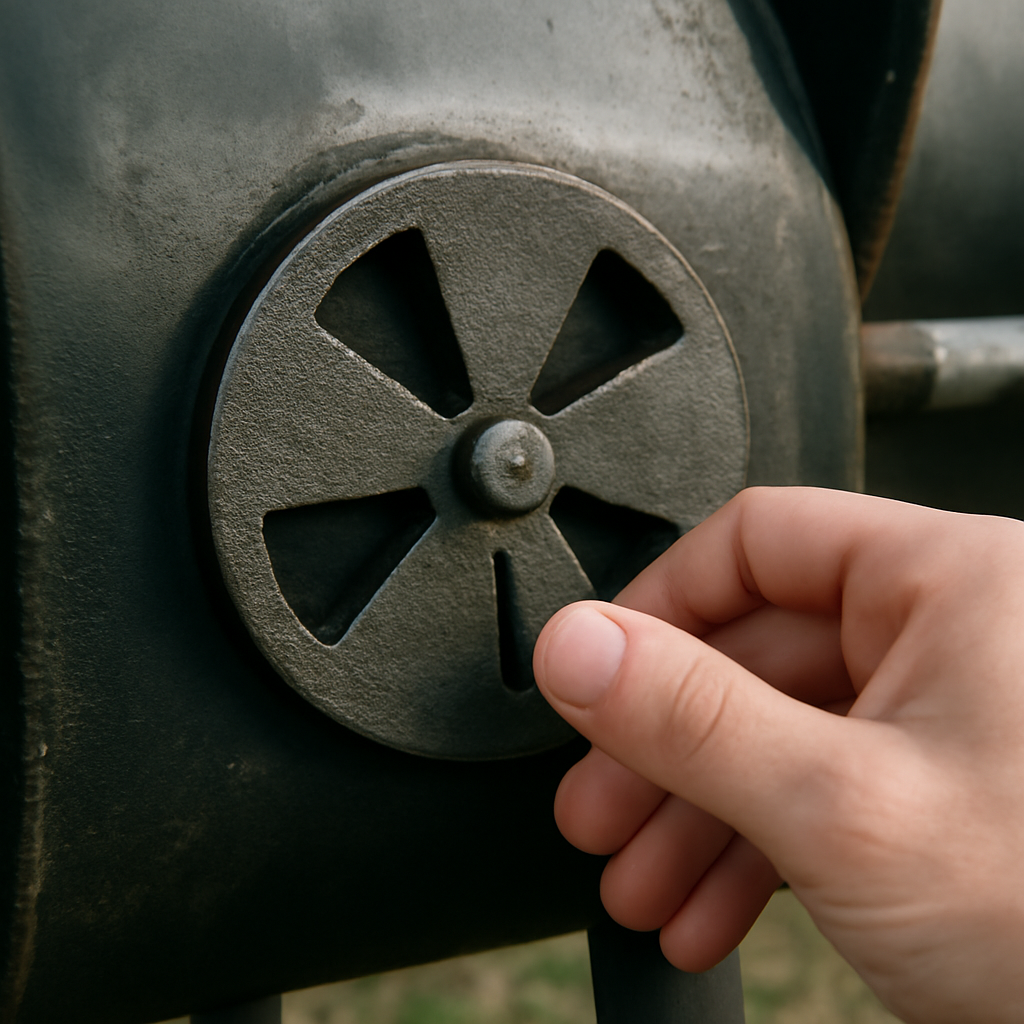
- Firebox intake: Meter oxygen. Control heat with vent position and fire size, not the exhaust.
- Coal bed and splits: Maintain a steady coal bed; add small, dry wood splits for clean combustion.
- Baffles/tuning plates: Shape and even out airflow to reduce the firebox hot spot.
- Chimney/damper: Leave mostly open to keep draft strong and smoke clean.
Run an offset by building a modest, clean-burning fire and letting the cooker draft. Watch for thin blue smoke. Expect a temperature gradient from firebox to stack; place thicker cuts nearer the stack or rotate food. Wind affects draw, so shield strong gusts. Reverse-flow designs route heat under a baffle then back across the grate for more uniform flow. For shopping ideas, see reliable offset smoker options.
Vertical smokers: how they work
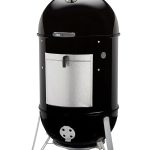
Vertical smokers use an updraft layout: fuel or a burner sits at the bottom, fresh air enters through low intakes, and rising heat carries smoke straight up past the food to a high exhaust. Because the path is short and vertical, draft strength depends on the temperature difference between bottom and top and on how open the vents are. Most designs place a water pan or solid diffuser above the fire to block direct radiant heat and even out flow through the racks.
Understand the main parts and their airflow jobs:
- Lower intake(s): Meter oxygen to the fire; small changes noticeably affect draft.
- Fire grate or burner: Generates heat and smoke at the chamber’s lowest point.
- Water pan/deflector: Acts as a heat sink and forces smoke to spread before rising.
- Racks: Food sits in the column of upward flow; upper racks often run a bit hotter.
- Top exhaust/chimney: Stays mostly open to prevent stale, sooty smoke from lingering.
Airflow quirks to watch: choking the exhaust causes bitter smoke; removing the water pan increases radiant heat and can create a hotter center; opening the door dumps vertical draft, so make vent adjustments first.
Key differences: offset vs vertical smokers
Airflow sets the character of each design. Offsets pull hot air and smoke laterally from a side firebox across the cook chamber to a chimney. Verticals draft straight up from a lower fire source to a top vent. That path length and direction drive important differences.
- Air path and contact time: Offsets give a long, horizontal journey over the food; verticals move smoke upward quickly past stacked racks.
- Draft control: Offsets rely on firebox intake and a wide-open stack for a clean, high-velocity draw. Verticals balance lower intakes with a metered top vent; restricting the top vent can stall draft and trap stale smoke.
- Flow uniformity: Offsets can have a gradient from firebox side to stack; tuning plates/deflectors even it. Verticals are more columnar, often warmer toward the top as rising gases accelerate.
- Moisture and velocity: Verticals commonly run slower, gentler flow; water pans and baffles further tame speed. Offsets favor higher airflow to keep the fire clean and prevent sooty buildup.
- Door behavior: Cracking the cook chamber on an offset weakens draw and disturbs flow; opening a vertical’s door dumps heat upward and can spike the fire with extra oxygen.
Pick the layout whose airflow pattern matches how you like to manage draw, rack positions, and smoke contact.
Flavor and smoke quality
Airflow shapes flavor more than any single feature. In an offset, a steady cross-draft pulls combustion gases across the meat and out the stack. When you run a hot, well-ventilated fire, you get thin blue smoke that lays down clean, wood-forward flavor and helps build a pronounced, crackly bark. Starve that fire or smolder damp splits, and the same path will deposit bitter, sooty compounds and a dull surface.
In a vertical smoker, the rising column and (often) a water pan create a more humid, slower-moving environment. That gentle flow gives longer smoke contact, usually translating to a rounder, milder profile with savory notes from vaporized drippings. It can also soften bark compared to a dry offset and, if you choke the vents too far, encourage heavy, gray smoke that tastes ashy.
- Aim for thin blue smoke: wispy, barely visible, never thick and white.
- Offset: burn small, hot splits; preheat wood; keep the exhaust wide open.
- Vertical: avoid overloading chips; maintain but don’t overfill the water pan; rotate racks for even exposure.
- Wood and surface: use seasoned wood; let the meat surface dry slightly before heavy spritzing to promote clean adhesion and bark.
Heat control and consistency
Airflow dictates heat behavior. In an offset, hot gases travel from the firebox across the cook chamber to the stack. That lateral path naturally creates a hotter zone near the firebox and cooler zones farther away. In a vertical smoker, heat and smoke rise, spreading more evenly left to right but often stacking warmer air on upper racks while lower racks run cooler, especially with a water pan in place.
For steadier control in an offset, keep the exhaust wide open for clean draft and regulate with the intake. Build a stable coal bed, add small fuel splits, and use tuning plates or a water pan to smooth the gradient. Shield thinner meat near the firebox and be mindful of wind; a windbreak prevents draft swings. In vertical cabinets, preheat fully, keep the water pan filled with hot water to buffer spikes, and make small, patient vent changes. Opening the door dumps a lot of heat; use probe wires so you can monitor without peeking.
Practical checks
- Place grate-level probes at multiple positions; don’t rely on a dome gauge.
- Avoid blocking airflow: in offsets, leave space between racks and the stack; in verticals, don’t overcrowd trays.
- Rotate or swap positions on long cooks to even out the inevitable hot-to-cool zones.
Fuel efficiency
Airflow dictates how much fuel you burn. In an offset, hot gases travel laterally through a long cook chamber before exiting, so you heat more metal and lose more energy to the walls. The side firebox also needs strong intake to keep a clean flame, which can accelerate consumption if the draft is brisk or the pit is leaky.
Vertical smokers channel heat straight up. That chimney effect concentrates energy in a smaller space, often letting you run a modest charcoal bed or small splits while holding steady. Water pans and diffusers help stabilize, but driving a full pan at a hard boil adds load and costs fuel.
- Offset tips: Run a small, clean fire; preheat splits on the firebox; seal door and stack leaks; shield from wind to tame draw; avoid choking the intake, which causes smoldering and wastes fuel.
- Vertical tips: Don’t over-open vents; pack the charcoal basket for an even, efficient burn; use a diffuser or modest water level; open the door sparingly to prevent heat dump.
- For both: Use dry, seasoned fuel; keep exhaust unrestricted and meter with intake for clean combustion; minimize lid openings; place the cooker out of wind and on stable, level ground.
Effort and hands-on work required
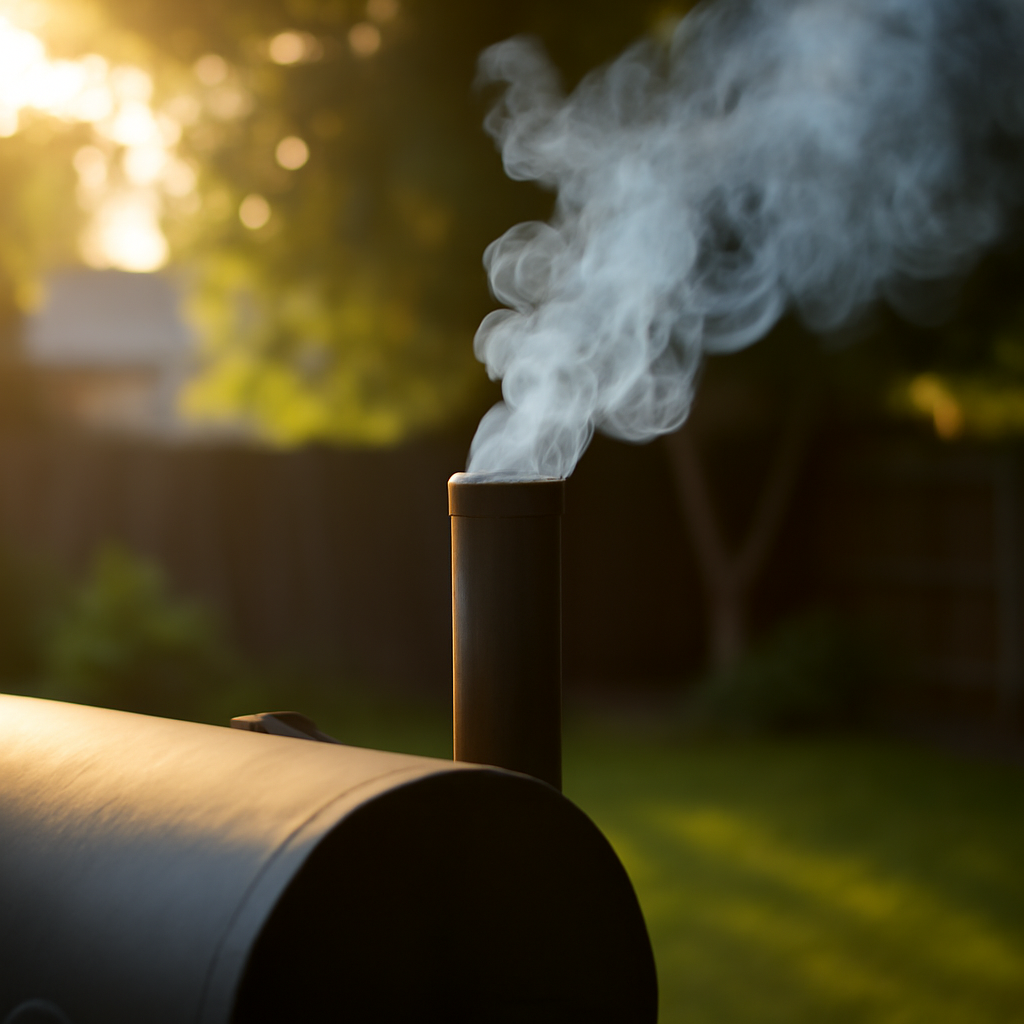
A hot offset smoker venting steadily needs real clearance from siding, rails, and anything flammable – the same grilling fire safety basics apply to both designs.
Airflow design changes how much hands-on work each style demands. With an offset, you manage a live wood fire and its draft. That means building a clean-burning coal bed, adding small splits on a schedule, and tweaking intake and stack positions so the draw stays steady and smoke stays light. Crosswinds can disturb the draft, so you may need to re-angle the cooker or use a simple wind block. Expect to check the fire often.
Vertical smokers move air straight up, so once the vents are set, the draft tends to be simpler to maintain. You’ll still monitor the cook, but the routine usually centers on topping up fuel, adjusting vents less frequently, and keeping a water pan filled if you use one. Wind has less leverage on the vertical path, so you spend less energy guarding the draft.
- Offset, typical tasks: add splits, rake coals, adjust vents for clean draw, manage wind exposure, dump more ash.
- Vertical, typical tasks: refill charcoal or wood chunks, minor vent nudges, refill water pan, quick ash cleanout.
If you enjoy active fire management, an offset rewards that attention. If you prefer longer stretches between interventions, a vertical often fits better.
Which one should you choose?
There is no universal winner in the offset smoker vs vertical smoker debate – it comes down to how much hands-on fire management you want. Picking between an offset smoker vs vertical smoker really is a question of effort versus control.
Choosing between an offset and a vertical smoker comes down to how you want airflow to shape your cooks and your space constraints.
- Pick an offset if you want a pronounced cross-draft: smoke and heat travel laterally across the food, exit the stack quickly, and create natural hotter and cooler zones. That pattern suits larger cuts and mixed loads where you’ll place food in different spots to catch more or less direct flow. Offsets reward careful vent and stack adjustments to keep a clean, moving stream of smoke.
- Pick a vertical if you prefer rising, enveloping airflow that bathes racks or hanging items more evenly from bottom to top. With heat and smoke moving upward, you’ll see fewer lateral hot spots and simpler rack rotation decisions. The tall cabinet layout also fits tighter patios and makes it easy to load multiple shelves.
Ask yourself: Do you want side-to-side flow and zone management, or an upward column with even exposure? How much yard space do you have for the footprint and stack height? Your answers—and the airflow differences you prefer to manage—will point you clearly to one style.
Airflow drives how these smokers cook, from flavor expression to heat management and day-to-day effort. Weigh the trade-offs in design, control, fuel use, and workload against what you value most. With that fit in mind, you can pick the smoker that matches your cooking style.