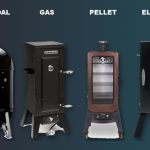
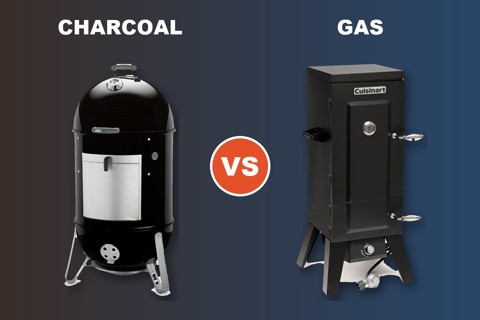
My dad and I have had the same argument for probably fifteen years now. He’s a charcoal-or-nothing guy, the kind of person who thinks lighter fluid should be a criminal offense. I came around to gas smokers a few years back, mostly out of laziness, and it’s been a friendly point of contention at every family cookout since. So when I sat down to actually settle this for the site, I figured I owed it to both sides to be honest about the tradeoffs instead of just picking a favorite.
Here’s what I found after running both side by side for a few weekends, plus digging into the numbers most people never bother to look up.
The Flavor Argument (Charcoal’s Home Turf)
Let’s get this out of the way: charcoal wins on flavor for most people, most of the time. There’s a reason competition barbecue circuits are dominated by charcoal and wood rather than propane. The combustion process produces more of the compounds that give meat that distinctive smoky depth.
But “wins on flavor” doesn’t mean “wins for everyone.” I’ve had plenty of gas-smoked briskets that were genuinely excellent, especially on a dual-fuel unit where you can run charcoal when you actually have the time to babysit it.
The Convenience Argument (Gas’s Home Turf)
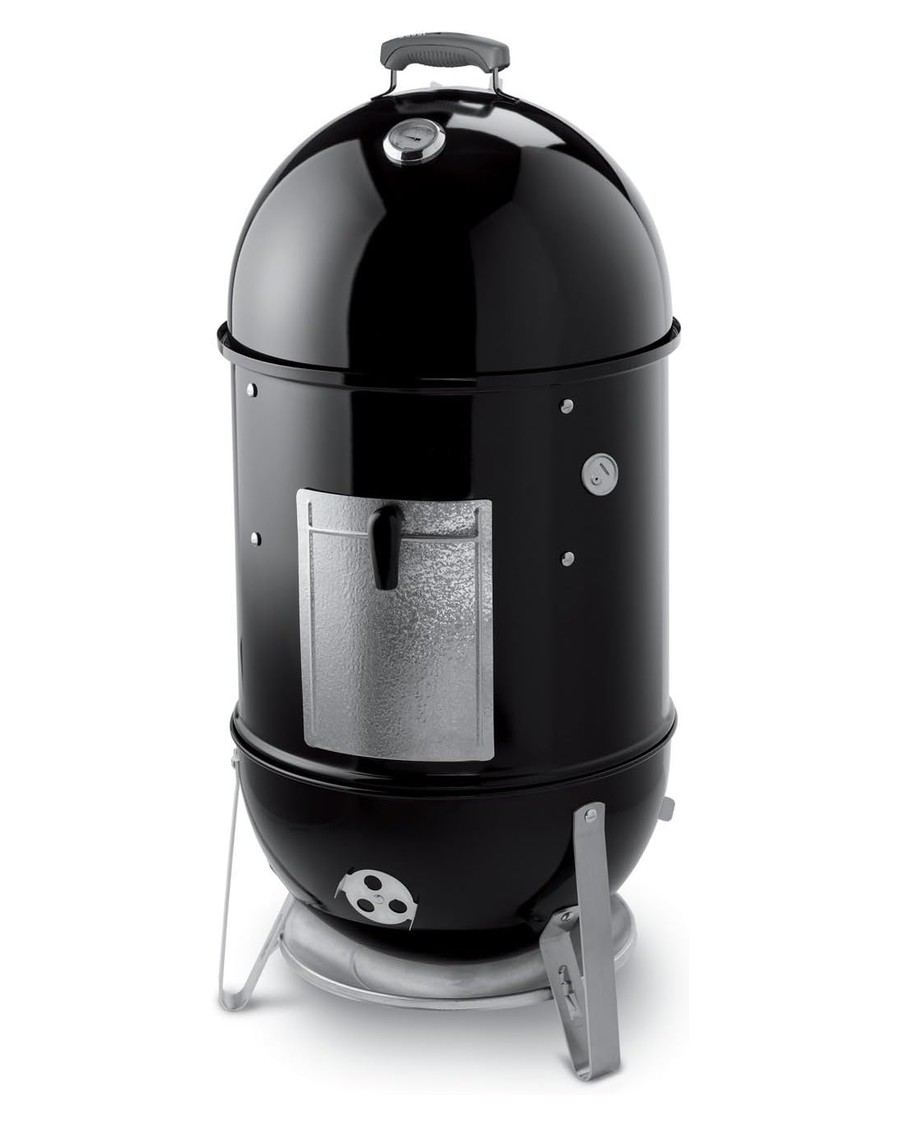
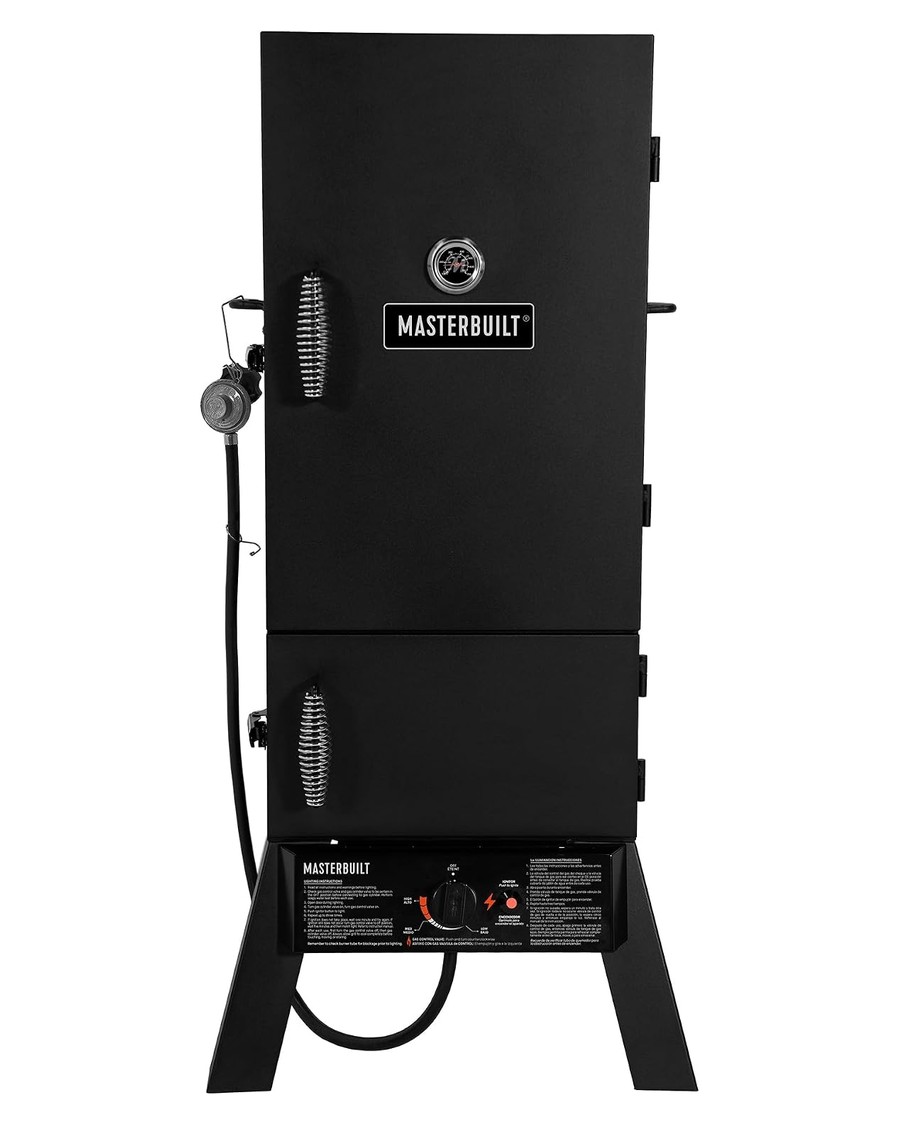
My dad will tell you managing a charcoal fire is part of the ritual. He’s not wrong, but it’s also genuinely a skill that takes a few cooks to get comfortable with. Gas removes almost all of that. Turn the valve, hit the igniter, set your temperature, and you’re smoking within minutes instead of waiting for coals to ash over.
On windy days I’ve found gas actually needs more babysitting than the marketing suggests, you’ll be nudging the valve to compensate, but it’s still less hands-on than managing an open charcoal fire from scratch.
The Environmental Side Nobody Talks About
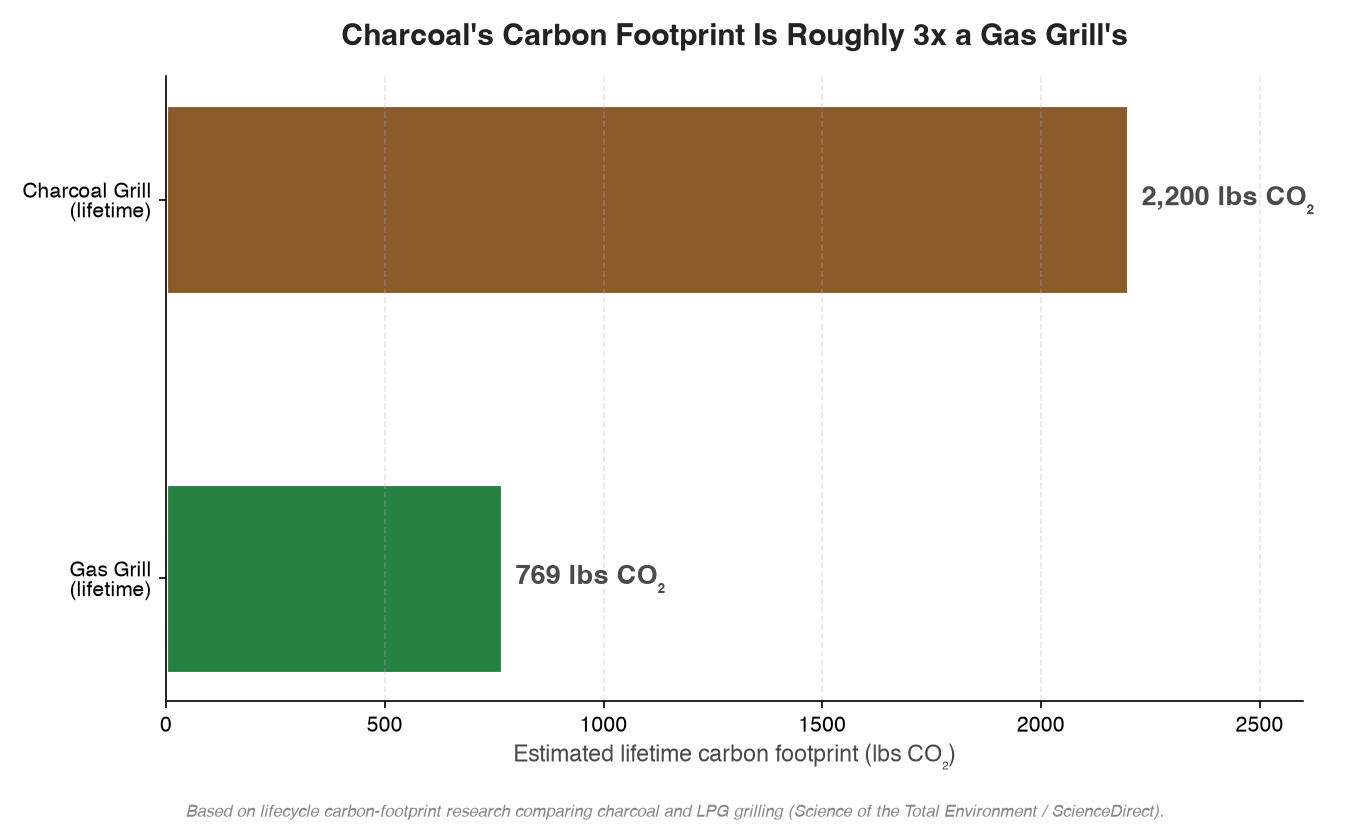
This one surprised me when I actually looked into it. Charcoal’s carbon footprint is meaningfully higher than gas, largely because the process of converting wood into charcoal in a kiln is itself energy-intensive before you ever light a single briquette. A widely-cited lifecycle carbon footprint study published in Environmental Impact Assessment Review found a typical charcoal grill’s lifetime footprint runs close to three times that of a comparable gas grill.
The EPA also notes that residential grilling emissions include carbon monoxide, nitrogen oxides, and volatile organic compounds, and charcoal grills generally produce higher levels of these than gas. None of this means you shouldn’t use charcoal, plenty of us will happily accept the tradeoff for the flavor, but it’s worth knowing if it factors into your decision at all.
The Cost Comparison
Per session, gas tends to run a bit cheaper than charcoal once you account for how briquettes are priced versus propane by volume, though both are cheap enough that this rarely decides anyone’s purchase on its own. The bigger cost gap is usually the smoker itself and the accessories you end up buying afterward, not the fuel.
Cleanup: The Chore Nobody Mentions in Marketing Copy
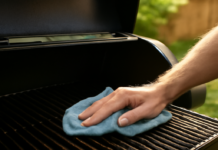
This is the part I wish someone had told me about before my first charcoal season. Ash disposal is a real, recurring chore, not a one-time thing. You’re scooping out cooled ash after basically every serious cook, and if you’re not careful about where you dump it, you’ll hear about it from whoever mows your lawn. Gas skips this entirely. Wipe the grease tray, maybe brush the grates, done.
Where gas loses ground is on the burner itself over time. Propane smokers can develop rust or clogging around the burner ports if you don’t cover them between uses, especially if you’re anywhere near salt air or heavy humidity. Charcoal smokers, being simpler mechanically, have less that can actually go wrong in that department, just more to physically clean up after.
A Word on Safety
Both fuel types deserve real respect, not just a warning label you skim past. Propane specifically carries its own risk profile: according to NFPA fire statistics, fire departments across the country respond to an annual average of well over 100,000 residential natural gas and propane leaks, and grill fires tied specifically to gas line failures are common enough that manufacturers now build in visible leak-check steps during setup. Before every single season, I do a soapy water test on every connection point, spray it on, watch for bubbles, and only fire it up once I’m sure there’s no leak.
Charcoal’s main risk is different: carbon monoxide buildup if you ever use it in an enclosed space (never do this, garages and covered patios with poor airflow included), and the obvious fire risk of an open flame near anything combustible. Keep either type at least 10 feet from siding, railings, and dry vegetation.
So Which Should You Actually Buy?
If I’m being straight with you the way I’d be with a friend asking me at a barbecue: buy charcoal if you genuinely enjoy the process and have the time most weekends. Buy gas if you want great results on a Tuesday night after work without turning dinner into a project. And if you truly can’t decide, a dual-fuel unit like the one my dad now grudgingly admits is “not bad” lets you have both depending on your mood.
We go much deeper on specific models in our full gas smoker reviews and our charcoal smoker reviews, including our current top pick in each category and what real owners report after months of use.
For what it’s worth, my dad still thinks I’m wrong. I’ve made peace with that.