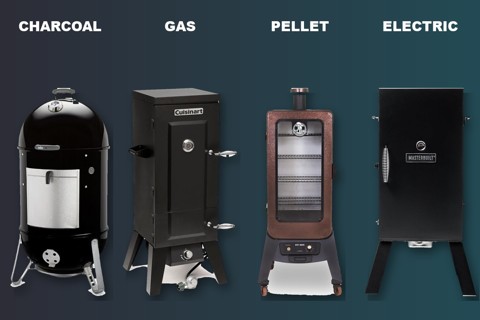
Last month I did something a little ridiculous: I set up a gas smoker, a charcoal smoker, a pellet grill, and an electric smoker in a row along my back fence and ran the same cut of pork shoulder through all four, one per weekend, back to back. My neighbor thought I was either opening a food truck or having some kind of crisis. Honestly, by week three, I wasn’t entirely sure which.
I’ve been doing this for the Grills Forever team long enough that I thought I already knew the answer to “which smoker is best.” I didn’t, not really. I knew the spec-sheet answer. I didn’t know the lived-in, 6am-in-my-slippers-checking-the-temp answer. That’s a different thing entirely, and it’s why I wanted to write this one up properly instead of just updating a comparison table and calling it a day.
The Setup
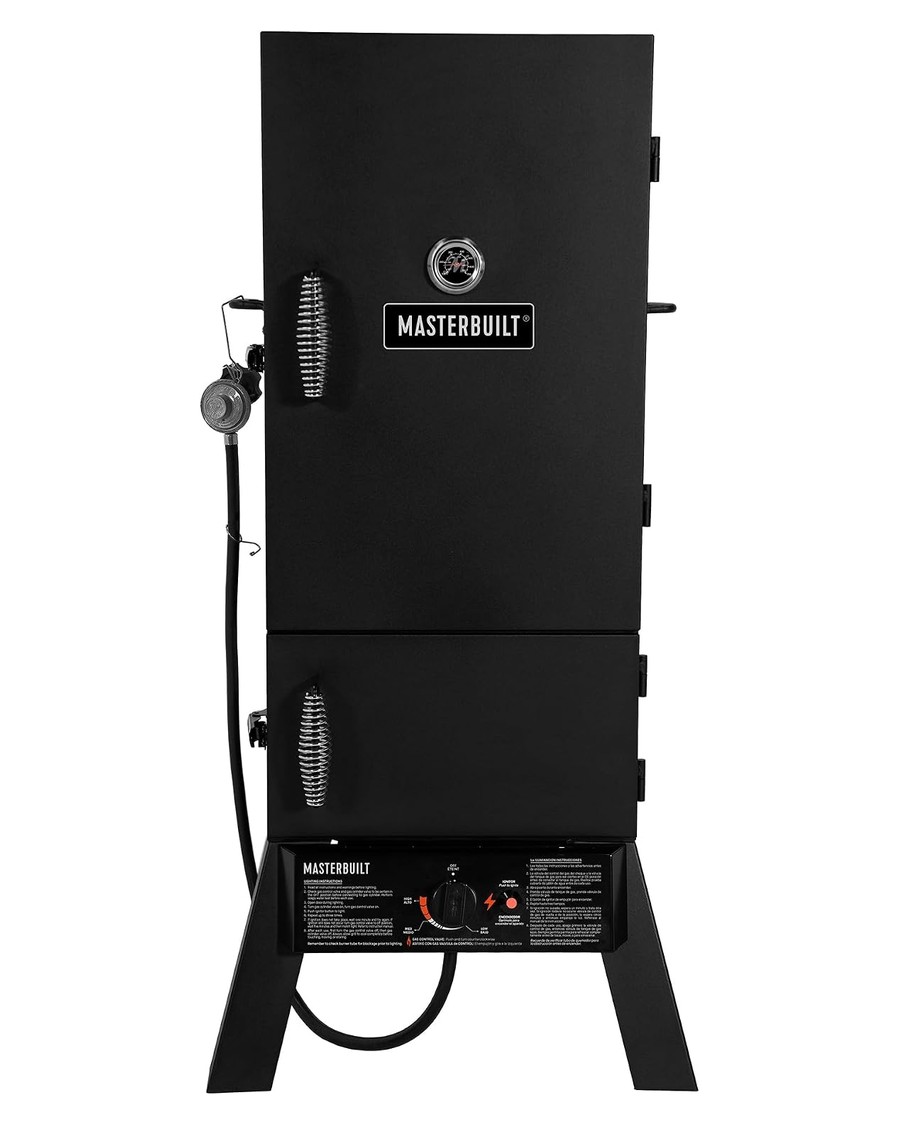
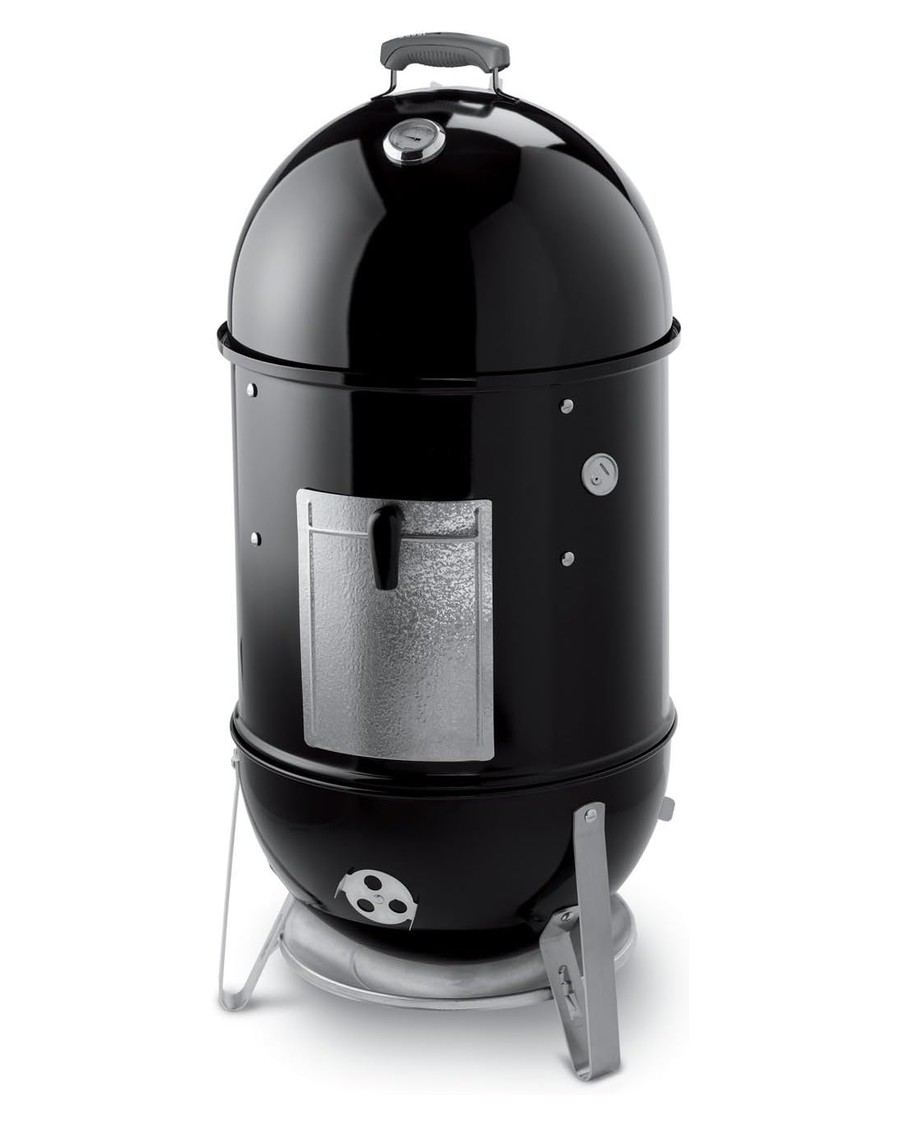
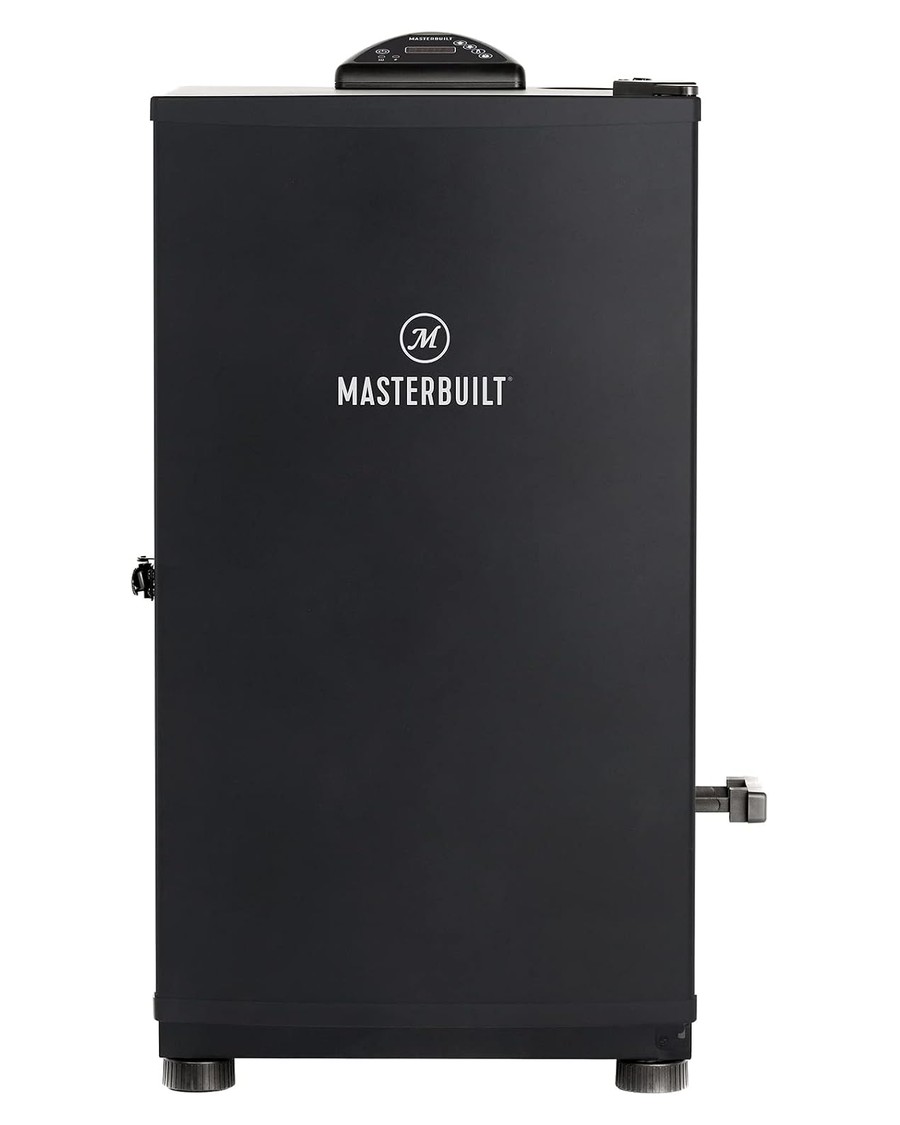
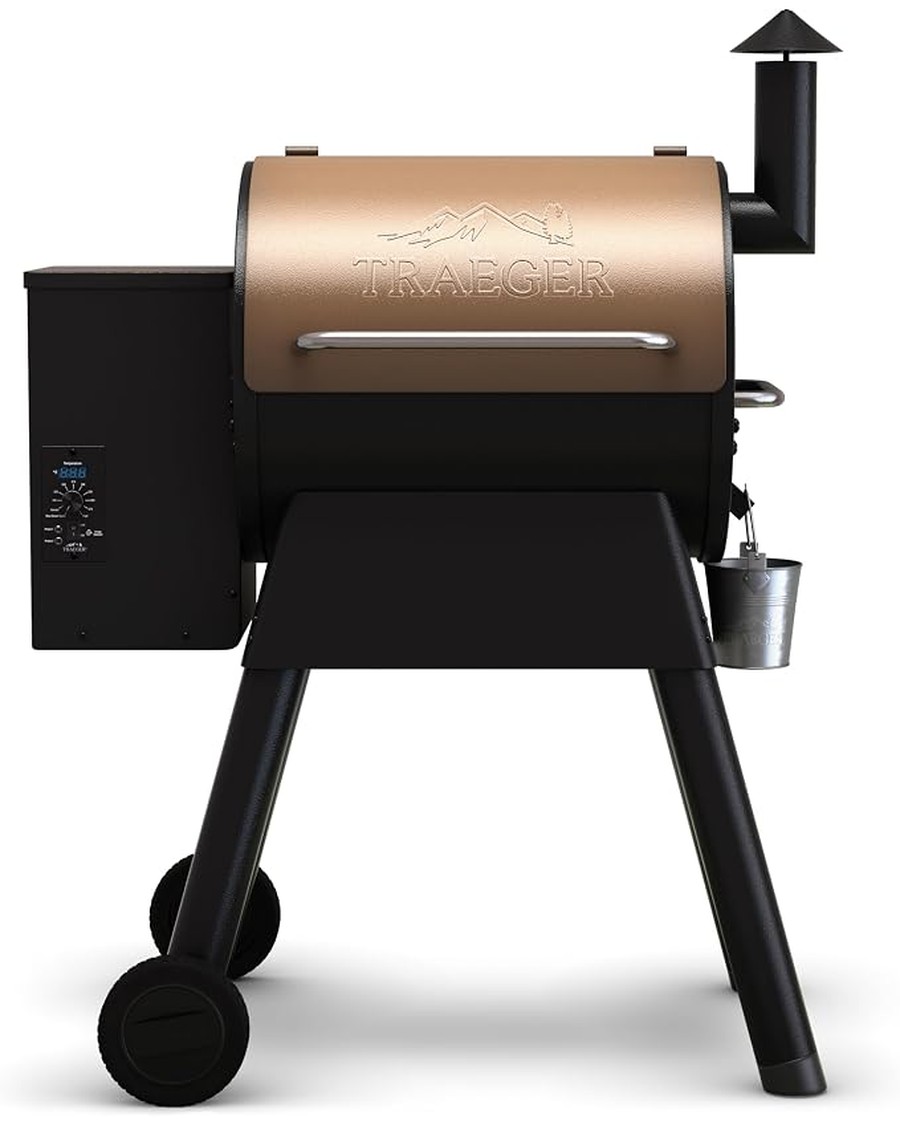
Same butcher, same size cut (give or take half a pound), same rub, same target internal temp of 203°F for pulling. I used a Masterbuilt dual-fuel propane smoker for the gas week, a Weber Smokey Mountain for charcoal, a Traeger Pro 22 for pellet, and a Masterbuilt digital electric smoker to round it out. Four Saturdays, four shoulders, one increasingly patient family waiting for dinner.
Week One: Gas
Gas won the “I have a life” category, hands down. Dial it in, walk away, come back four hours later to check the meat probe. The USDA’s minimum safe internal temp for pork is 145°F with a rest, but for pulled pork you’re chasing something closer to 203°F, where the collagen actually breaks down into gelatin. Gas got me there predictably, within about 20 minutes of my estimate every single time I’ve used it.
What I didn’t love: on a breezy afternoon I had to babysit the flame more than I expected, nudging the valve every so often to hold steady. It’s not a “walk away for six hours” appliance the way some marketing suggests, at least not in real wind.
Week Two: Charcoal
This is the one I was most nervous about, and it’s the one that surprised me most. The Weber Smokey Mountain held temperature better than I expected for something with no digital anything, just two vents and a lid thermometer. I checked it roughly every 45 minutes for the first two hours to dial in the vents, then it more or less ran itself.
The flavor difference was real, not imagined. There’s a reason competition barbecue is still dominated by charcoal and wood. But I’ll be honest about the tradeoff: it’s a genuine time commitment to manage the fire properly, and if you’re not paying attention early on, you’ll either choke it or let it run away from you.
Week Three: Pellet
The Traeger was, unsurprisingly, the easiest of the four to actually operate well on the first try. Set the dial, let the auto-auger do its thing, check the app instead of walking outside. Where charcoal demands attention and rewards experience, the pellet grill mostly just demands electricity and pellets.
The one thing I noticed, and this matches what a lot of other reviewers report, is that pellet consumption climbs fast once you push past low-and-slow temperatures. At smoking temps you’re burning roughly a pound of pellets an hour; push into roasting or searing range and that climbs toward two and a half pounds an hour, according to consumption data compiled by PelHeat’s pellet usage research. A 20 lb bag that lasts a leisurely 16-hour overnight brisket can burn through in a third of that time if you’re searing steaks.
Week Four: Electric
Electric was the most “set it and forget it” of all four, in the most literal sense. I loaded the wood chip tray, set the digital panel, and genuinely left the house for three hours to run errands. That kind of confidence is worth something.
Where it fell short was flavor depth and the smoke ring. A well-known quirk of electric smokers is that they produce less of the nitric oxide and carbon monoxide that AmazingRibs.com’s smoke ring research identifies as the actual chemistry behind that prized pink ring, since it’s the combustion gases reacting with myoglobin in the meat, not visible smoke itself, that create it. My electric-smoked shoulder tasted good. It just didn’t have the same depth as week two’s charcoal batch.
What Each One Actually Costs to Run
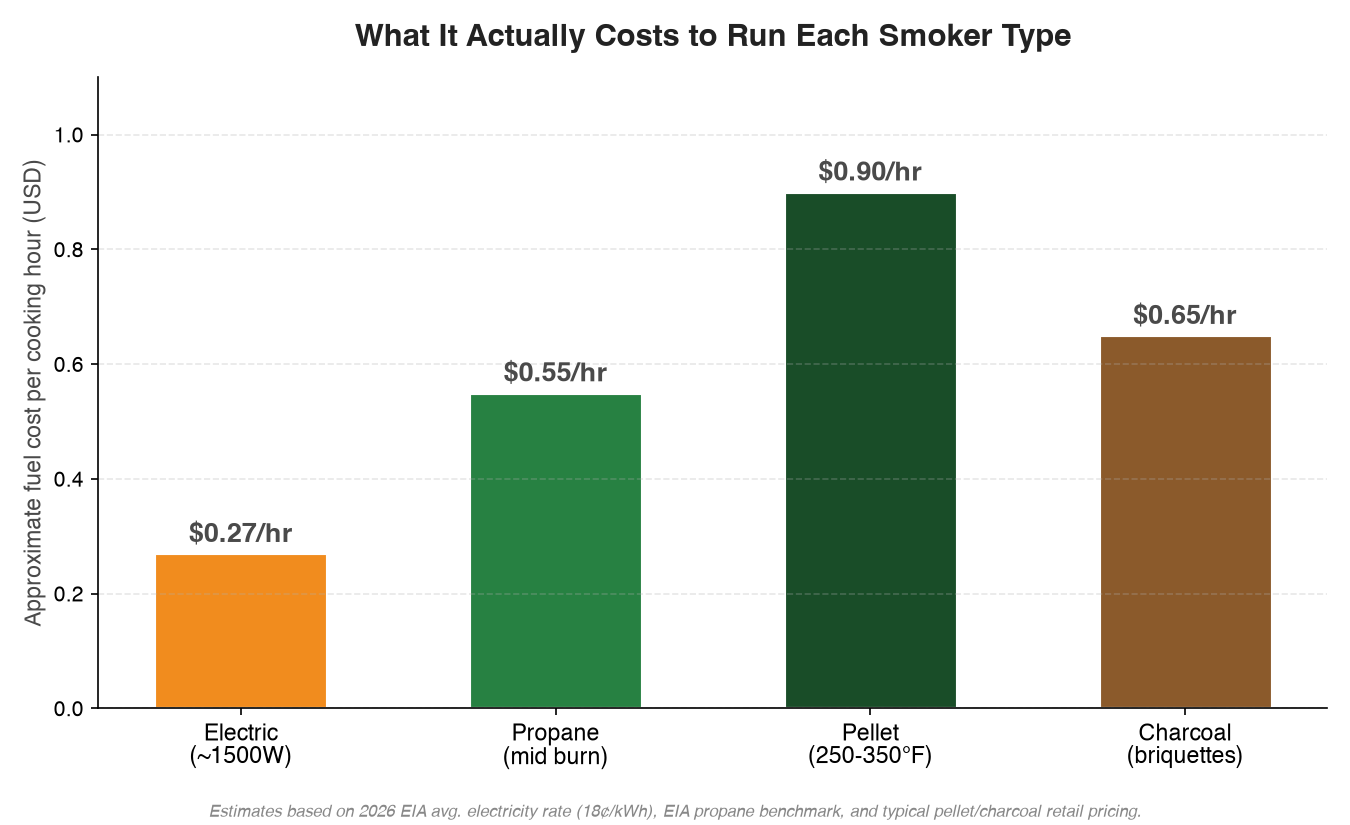
Fuel cost wasn’t my main focus during the month, but it’s worth a quick look since it factors into which type makes sense for how often you actually cook. Electric came out cheapest by a decent margin at typical residential power rates, with propane and charcoal landing in the middle and pellet running highest per hour once you’re past low-and-slow temperatures.
So Which One Actually Wins?
Here’s my honest, unsponsored answer after a month of doing this the hard way: there isn’t one winner, there’s a right answer for your specific week.
- If you want the best flavor and don’t mind tending a fire: charcoal, no contest.
- If you want reliable results with minimal supervision: pellet.
- If you want true walk-away convenience and don’t mind a milder smoke profile: electric.
- If you want a middle ground between hands-off convenience and real fire flavor, and don’t mind occasionally nursing the flame in the wind: gas, especially a dual-fuel unit that lets you switch to charcoal when you want it.
If you’re still deciding, I’d point you toward our full breakdowns of each category, we go much deeper on specific models in our complete smoker grills buying guide, which covers all the fuel types side by side along with our current top pick in each one. That’s genuinely where I’d start if I were doing this whole experiment over again, it would have saved me a few wasted trips to the butcher counter.
One last thing worth mentioning, since safety is something I take seriously after nearly two decades of doing this: whichever fuel type you land on, keep your unit at least 10 feet from siding and railings, and never leave an active smoker completely unattended for long stretches, especially gas units. It’s a small habit that costs nothing and, per fire department data, is one of the most common ways these things go wrong.