


Quick answer: Smoke low and slow (225–275°F), aim for thin blue smoke instead of thick white smoke, use less wood than you think, cook to internal temperature rather than time, and always rest the meat before slicing. The ten tips below explain how to get each step right.
Smoking meat looks intimidating, but most great barbecue comes down to a handful of habits. Whether you cook on a pellet grill, an offset, a vertical propane smoker or an electric smoker, these fundamentals are the same. Our Grills Forever team uses them on every cook.

1. Start with cold, slightly moist meat
Smoke sticks best to cool, moist surfaces. Put the meat on straight from the fridge and let the first couple of hours do the flavor work. As the surface dries and the bark sets, the meat takes on much less smoke, so loading extra wood late in the cook adds little flavor. A light spritz of apple juice, vinegar or water can help keep the surface tacky in the early stages.
2. Keep the heat low and steady (225–275°F)
Real barbecue is cooked with low, indirect heat. Most pitmasters work between 225°F and 275°F. Lower temperatures give more time for collagen in tough cuts like brisket and pork shoulder to break down into tender, juicy meat. More important than the exact number is keeping it steady: big swings dry the meat out and stretch the cook unpredictably.
3. Use a water pan to stabilize temperature
A pan of water between the fire and the meat absorbs heat spikes, adds humidity and helps prevent dry edges. Many vertical smokers come with a built-in water pan; on a kettle or offset, a disposable foil pan works fine. Check it every hour or two and top it up with hot water so you don’t knock the temperature down.
4. Don’t overdo the wood
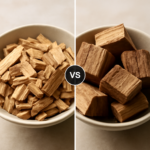
The most common beginner mistake is too much smoke, which makes food bitter and acrid. On a charcoal or gas smoker, a few chunks or a handful of chips at a time is plenty. Start mild with fruitwoods like apple or cherry, or with oak and hickory for beef and pork, and save strong woods like mesquite for short cooks. See our guide on how to use smoker chips for amounts by smoker type.
5. Look for thin blue smoke, not thick white smoke
Clean smoke is nearly invisible with a faint blue tint. Thick, billowing white or gray smoke means the wood is smoldering without enough oxygen, and it coats food with a sooty, bitter taste. If you see heavy smoke, open the vents, let the fire breathe and make sure wood is catching cleanly instead of choking.
6. Manage airflow with your vents
On charcoal smokers, the intake (bottom) vent controls how hot the fire burns, and the exhaust (top) vent pulls smoke across the food. Keep the exhaust mostly open so smoke doesn’t go stale, and make small adjustments to the intake to raise or lower temperature. Wait 10–15 minutes after each change before adjusting again.
7. Cook to internal temperature, not the clock
Times in recipes are only estimates. A reliable leave-in probe thermometer is the most useful tool you can buy. Useful targets:
- Brisket: around 200–205°F, when a probe slides in like butter
- Pork shoulder (pulled pork): around 195–205°F
- Pork ribs: about 195–203°F, or when the rack bends and the surface cracks
- Chicken and turkey: at least 165°F in the thickest part
8. Expect the stall, and don’t panic
Big cuts often stop rising in temperature somewhere around 150–170°F for hours. This “stall” happens as moisture evaporates from the surface and cools the meat. You can wait it out for the best bark, or wrap the meat in butcher paper or foil (the “Texas crutch”) to push through faster.
9. Resist the urge to peek
Every time you open the lid you lose heat and smoke, and the cook takes longer. Only open the smoker when you need to spritz, wrap, refill the water pan or add fuel, and do those jobs together. If you want to check progress, use your thermometer instead.
10. Let the bark darken, then rest the meat
Well-smoked meat develops a deep mahogany, almost black crust (the bark) from spices, fat and smoke. Don’t mistake it for burning. Once the meat is done, rest it: 15–30 minutes for ribs and chicken, and an hour or more wrapped in a towel inside a dry cooler for brisket and pork shoulder. Resting lets the juices settle so they stay in the meat when you slice it.
Which smoker is easiest for beginners?
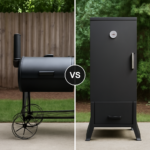
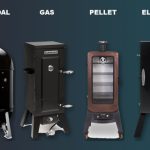
If you’re just starting out, a smoker that holds temperature for you makes these tips much easier to follow. Pellet smokers and electric smokers are the most hands-off, while propane smokers are affordable and simple to control. Offset smokers give the most traditional flavor but take more practice to run.
Smoking tips FAQ
What temperature should I smoke meat at?
Most meats are smoked between 225°F and 275°F. Poultry can go hotter, around 275–325°F, to help the skin render and crisp.
How long should I smoke meat?
It depends on the cut and its weight, so cook to internal temperature. As a rough guide, pork ribs take 5–6 hours and a whole packer brisket can take 10–16 hours at 225–250°F.
Should I soak wood chips before smoking?
Generally no. Soaked chips steam before they smoke, which delays clean smoke and can cool the fire. Dry chips or chunks give cleaner, more predictable smoke.
How do I keep smoked meat from drying out?
Keep the temperature steady, use a water pan, avoid overcooking by using a thermometer, wrap during the stall if needed and always rest the meat before slicing.









The hoetsny of your posting shines through
🙂
Some really wonderful posts on this website , thanks for contribution.
Thanks to you too for enriching us with such adorable feedback.
Wow! This can be one particular of the most useful blogs We have ever arrive across on this subject. Basically Excellent. I’m also a specialist in this topic therefore I can understand your effort.
Nice to be aware of the fact that an expert of this topic also admires us. Great achievement indeed!
I really appreciate this post. I’ve been looking everywhere for this! Thank goodness I found it on Bing. You have made my day! Thx again
Wow great! Were you searching for this to buy any smoker/grills? How did it help you? Did you get the best one meeting all your requirements? That would also be a great thing to know.
Comments are closed.