My first real charcoal smoke was a disaster of temperature swings. I’d panic every time the thermometer dipped, throw on more coals, overcorrect, then panic again when it spiked past 300°F on a cook that was supposed to sit at 225°F. Six hours in, I had a brisket that was somehow both dry on the outside and undercooked near the bone. It took me an embarrassing number of cooks to figure out that the fix wasn’t more attention, it was understanding the two vents I’d been ignoring the whole time.
If you’re newer to charcoal and fighting the same battle, this is the thing that actually fixed it for me, and it’s simpler than most guides make it sound.
It’s Really Just Airflow Math
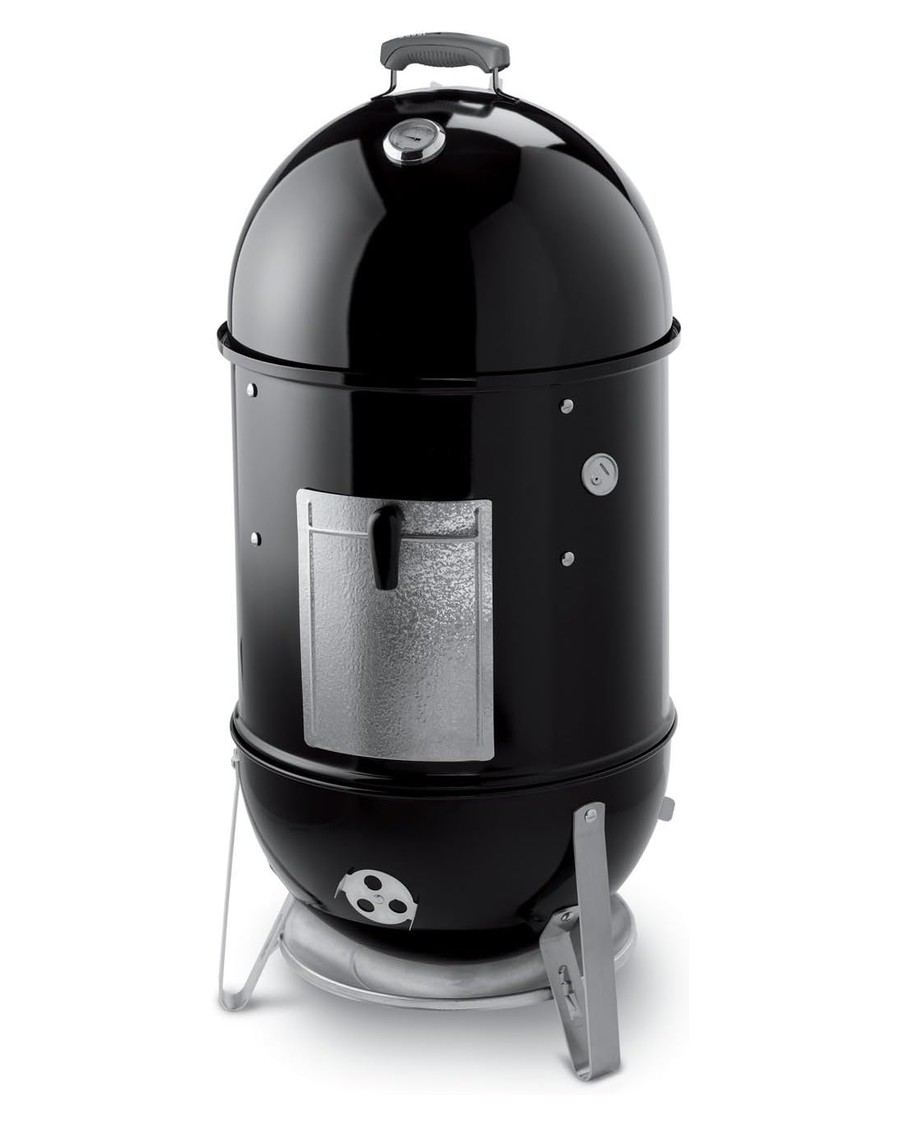
A charcoal fire needs oxygen to burn, and the amount of oxygen it gets is almost entirely controlled by how open your vents are, top and bottom. More airflow means a hotter fire. Less airflow means a cooler, longer-burning fire. The FAO’s technical guide on using charcoal efficiently covers the underlying combustion chemistry in more detail than most of us need, but the practical takeaway is genuinely most of what you need to understand, the rest is just practice reading how your specific smoker responds.
The mistake I kept making early on was adjusting both vents at once and overcorrecting wildly. Now I treat the bottom vent as my primary throttle and barely touch the top vent, leaving it mostly open to let smoke escape properly. Adjusting one variable at a time made the whole process dramatically less stressful.
The Minion Method Changed Everything
If you’re still lighting a full chimney of charcoal at once, this is the single biggest upgrade you can make. Arrange a bed of unlit charcoal in your smoker, then pour a small chimney’s worth of fully lit coals on top or in a starting spot. The lit coals slowly ignite the unlit ones over hours instead of everything burning hot and fast at once. This is how you get an 8-plus hour burn without constantly adding fuel, and it’s the difference between checking your smoker every 30 minutes and checking it every couple of hours.
Reading Temperature Swings Correctly
A 15-20 degree swing either direction from your target is completely normal and not worth chasing with a vent adjustment every single time you see it move. What you’re actually watching for is a sustained trend, three or four readings in a row moving the same direction, that’s when a small vent adjustment is worth making. Chasing every minor fluctuation is exactly what turned my first cook into a mess.
Weather matters more than people expect too. Wind will pull heat out of your smoker and push a fire hotter by feeding it more oxygen through gaps you didn’t know existed. Cold ambient temperatures make your smoker work harder to hold the same internal number. I adjust my starting vent position based on the forecast now, slightly more closed on windy days, slightly more open on cold ones, rather than reacting after the fact.
The Water Pan Is a Temperature Tool, Not Just a Moisture Trick
Most people know a water pan helps keep meat moist, but it also acts as a heat buffer, smoothing out temperature swings by absorbing and slowly releasing thermal energy. A dry pan lets temperature swing more sharply in both directions. I keep mine topped off through the whole cook, not just at the start, and it’s made my temperature control noticeably steadier on long smokes.
Charcoal Type Changes the Equation Too
Briquettes burn more predictably and evenly than lump charcoal, which makes them easier to control precisely, especially for the Minion Method, since they’re uniform in size and density. Lump charcoal burns hotter and can spike faster because pieces vary wildly in size, a small chunk can flare while a large one is still catching. I actually use briquettes for long, steady smokes where consistency matters most, and save lump charcoal for shorter, hotter cooks where I want quick response and don’t mind babysitting it more closely.
One thing that surprised me: cheap charcoal often contains more filler material, which burns less predictably and leaves more ash that can smother airflow at the bottom of the fire. Spending a little more on a quality briquette brand has genuinely made my temperature control easier, not just my flavor better.
When to Just Trust a Better Thermometer
Built-in lid thermometers on a lot of smokers read the temperature at the lid, which can run 20-30 degrees different from grate level where your food actually sits. A separate probe thermometer placed at grate height is worth the investment if you’re serious about consistency, it’s the single upgrade that made my readings finally match reality.
Good charcoal management really is a skill that improves fast with a few deliberate cooks. Our full charcoal smoker reviews also cover which current models hold temperature most consistently out of the box, which matters more than people think when you’re still building this skill.
These days, that first disastrous brisket feels like a lifetime ago. The vents aren’t a mystery anymore, they’re just two dials I’ve learned to read.