
A buddy of mine spent an entire Fourth of July cookout trying to talk me into a kamado grill while I stood next to my pellet setup defending it like it was under personal attack. Neither of us convinced the other of anything that day, but it did make me realize I’d never actually written down why I still reach for one over the other depending on what I’m cooking. So here’s the honest version, ceramic versus auger-fed convenience, no team jerseys.
They’re Solving Different Problems
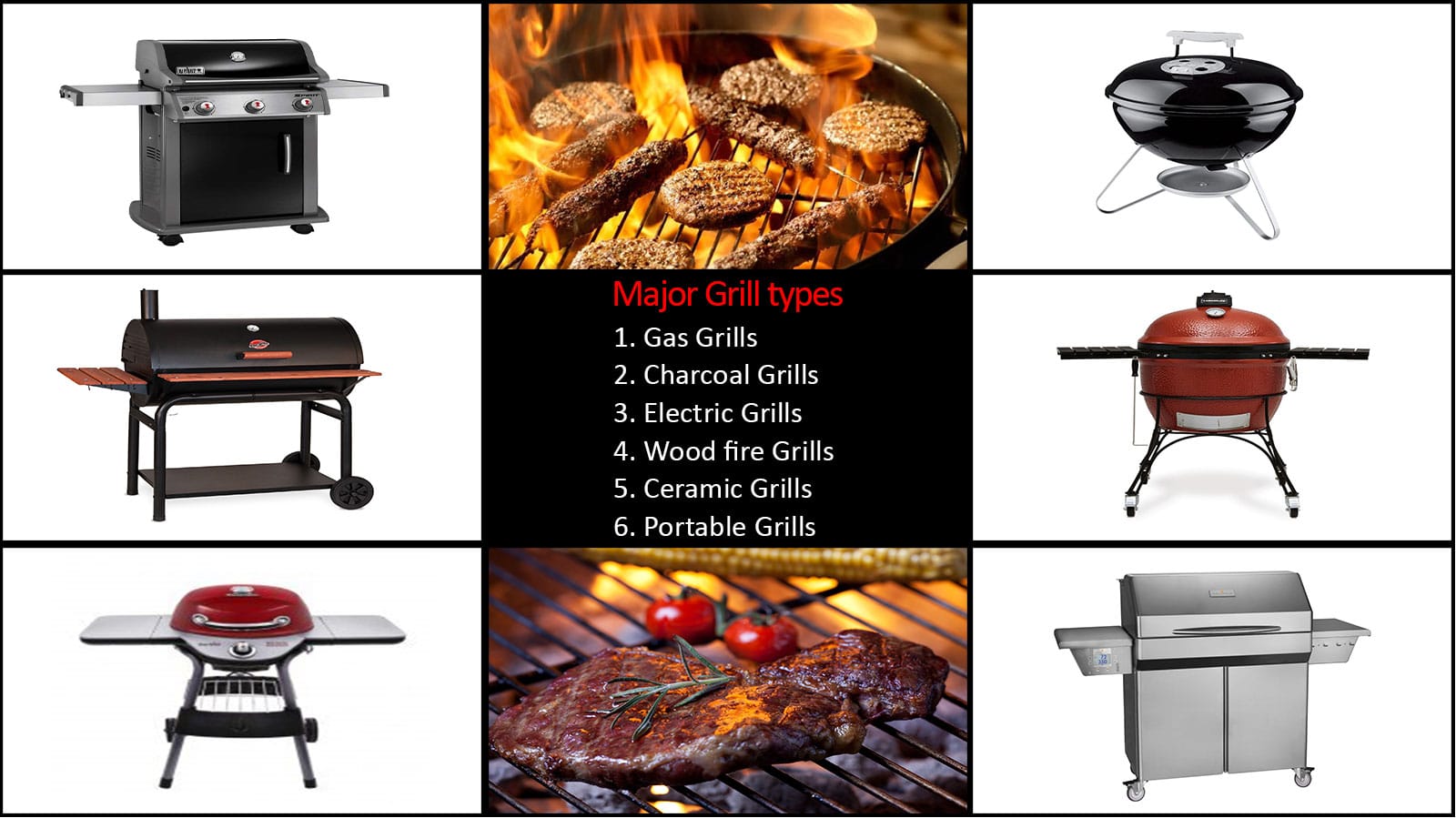
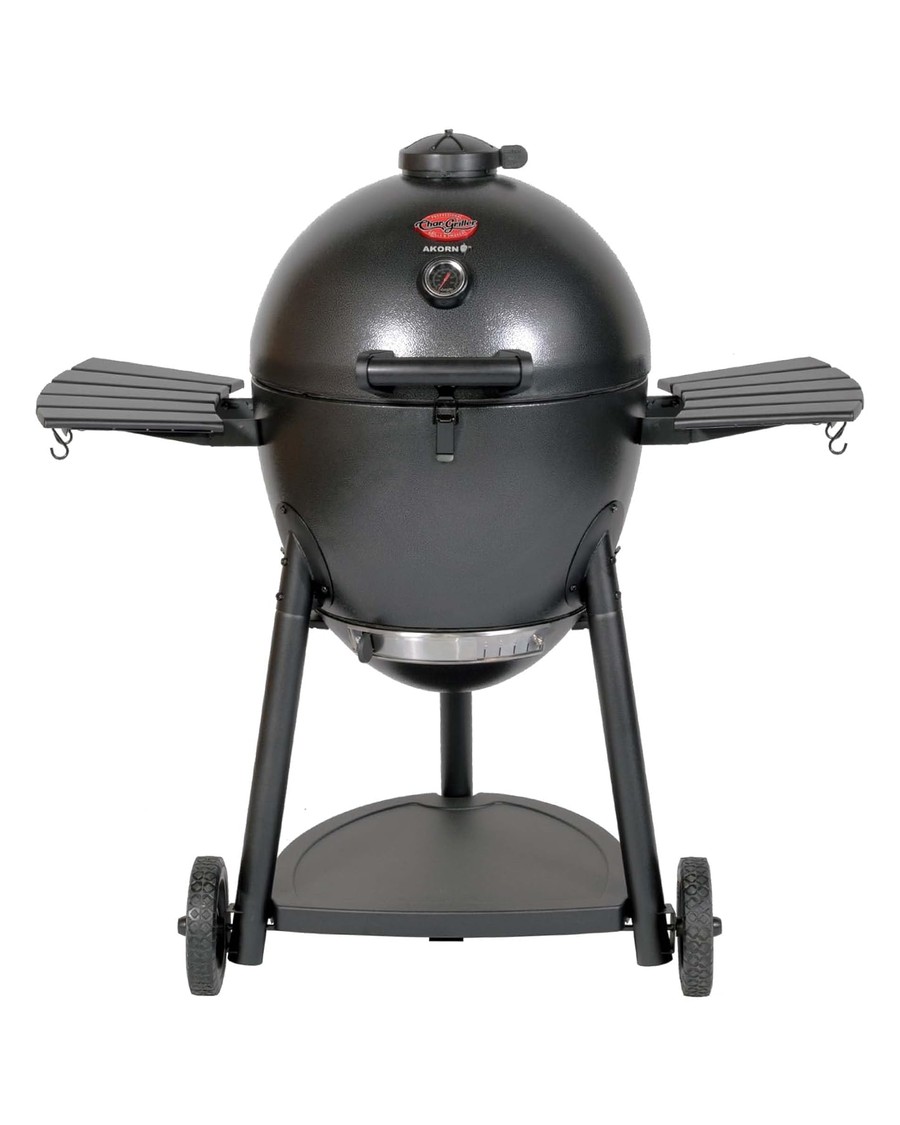
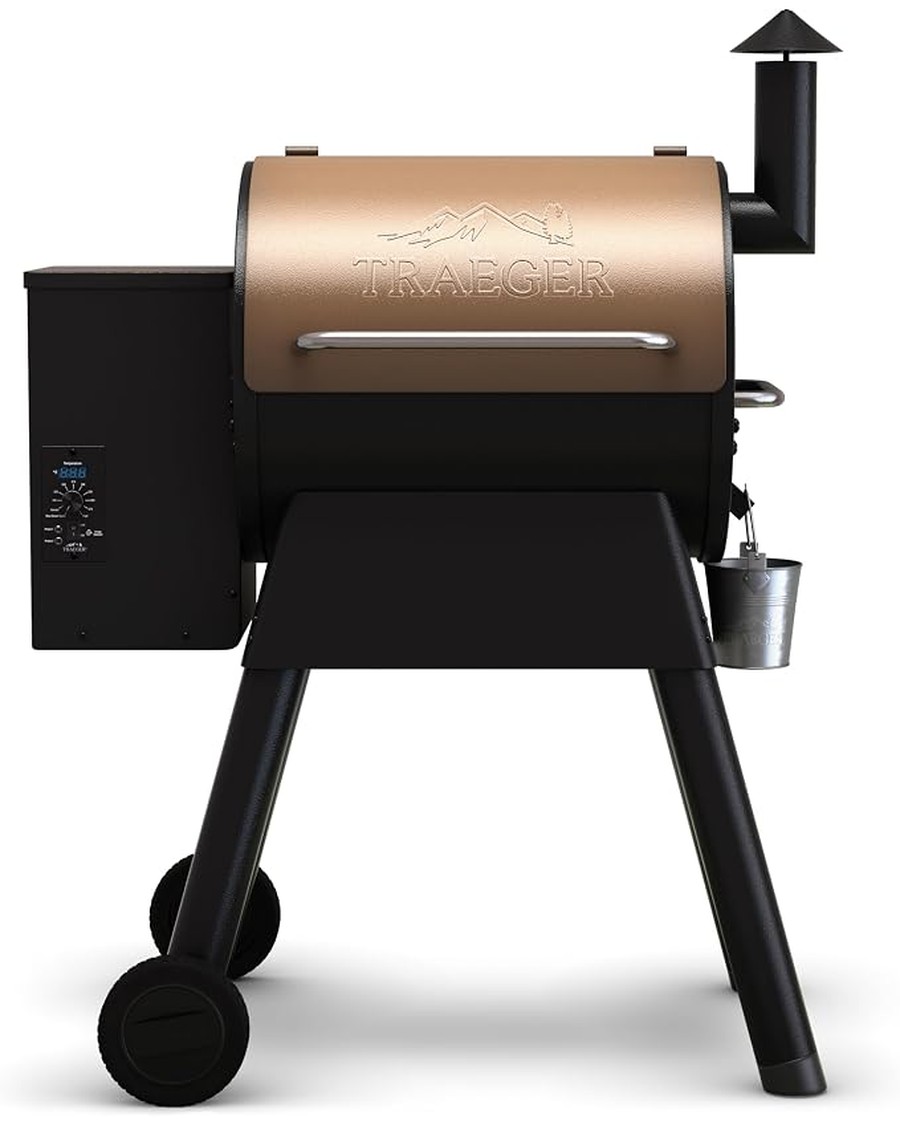
This is the thing that gets lost in a lot of head-to-head comparisons: a kamado and a pellet grill aren’t really competing for the same job. A kamado is a heavy ceramic vessel that uses lump charcoal and airflow control to hold temperature through sheer thermal mass. A pellet grill is an electric auger feeding wood pellets into a firepot, with a controller actively managing temperature the way a thermostat manages a furnace. One is a very refined version of an ancient cooking method. The other is a modern appliance that happens to use wood as fuel.
Where Kamado Wins
Heat Retention and Efficiency
This is the kamado’s signature strength. The thick ceramic walls hold heat so effectively that, according to industry buying guides like BBQGuys’ kamado grill benefits breakdown, kamado grills typically use 50-70% less charcoal than an open kettle grill to maintain the same temperature over a long cook. I’ve run an overnight brisket on a single load of lump charcoal in my kamado and had it hold steady through the entire cook without a single refuel, something that would be unthinkable on an open grill.
Temperature Range
A kamado genuinely does it all, low-and-slow smoking down in the 225°F range, and blazing hot searing well above what most pellet grills can reach, some kamados climb past 700°F with the vents wide open. That range is hard to match in one appliance. If you want to smoke a pork shoulder on Saturday and sear steaks on Sunday using the exact same grill, kamado has the edge.
Moisture Retention
The ceramic body naturally traps humidity better than a metal cooker, which means meat coming off a kamado often has a noticeably moister bark than the same cut from a leakier metal smoker. This is subtle but real, and it’s part of why kamado loyalists tend to be so vocal about the category.
Where Pellet Wins
Set-and-Forget Convenience
There’s no contest here. A pellet grill’s controller manages airflow and fuel feed automatically to hold your target temperature, you set the dial, load the hopper, and walk away with real confidence. A kamado requires you to dial in the bottom vent and top damper manually, and while it holds steady once you’ve nailed the setting, getting there takes some practiced feel, especially in changing weather.
Weight and Portability
Kamados are ceramic and genuinely heavy, often well over 100 lbs even in mid-size versions, which makes them essentially a permanent fixture once you place them. Pellet grills, while not exactly lightweight either, are generally easier to move and more likely to come with wheels built for actual mobility rather than just repositioning in place.
Consistency Across Skill Levels
A beginner using a pellet grill for the first time will likely get results close to what an experienced user gets, the controller does most of the work. A beginner on a kamado is fighting a steeper initial learning curve with vent management, and early cooks are more likely to swing further from the target temperature while that skill develops.
The Ceramic Risk Nobody Mentions
One real downside to kamados that doesn’t come up enough: the ceramic shell can crack under extreme thermal shock, most commonly from rapid temperature swings or from being used in freezing conditions without acclimating slowly. It’s not a common failure, most kamados handle normal use fine for years, but it’s a genuine material limitation that a steel pellet grill simply doesn’t have. If you’re rough on equipment or live somewhere with harsh winters, that’s worth factoring in.
What I Actually Reach For
Here’s my honest personal split. For a low-and-slow weekend cook where I want maximum efficiency and I’m not in a rush, especially something long like a brisket or pork shoulder, I reach for the kamado. For a random Tuesday where I want to throw on some chicken thighs after work with zero fuss and zero vent-fiddling, the pellet grill wins every time. I don’t think of it as one replacing the other, I think of it as which one matches how much attention I actually have to give the cook that day.
Which Fits You Better?
- Pick kamado if: you cook long, low-and-slow sessions often, you also want strong searing capability in the same unit, and you don’t mind a learning curve and a grill that stays put once placed.
- Pick pellet if: convenience and consistency matter most, you want to move or store the grill more easily, or you’re newer to smoking and want a shorter learning curve.
If you’re leaning kamado, our complete smoker grills buying guide covers current kamado picks alongside every other fuel type in one place. If pellet convenience is calling your name instead, our pellet smoker reviews break down which current models manage temperature swings most reliably.
As for my buddy and his Fourth of July pitch, he did eventually wear me down enough to add a kamado to my own lineup. I just never told him the pellet grill isn’t going anywhere either.