
I ruined a perfectly good pork shoulder with mesquite pellets once. Not “slightly too strong,” ruined, the kind of bitter, overpowering smoke flavor that made half my family push their plates away politely. I’d grabbed whatever bag was cheapest at the store without thinking about what I was actually cooking, and I paid for it in leftover meat nobody wanted. That mistake taught me more about wood pairing than any guide I’d read up to that point, so let me save you the ruined dinner.
The Three Flavor Tiers
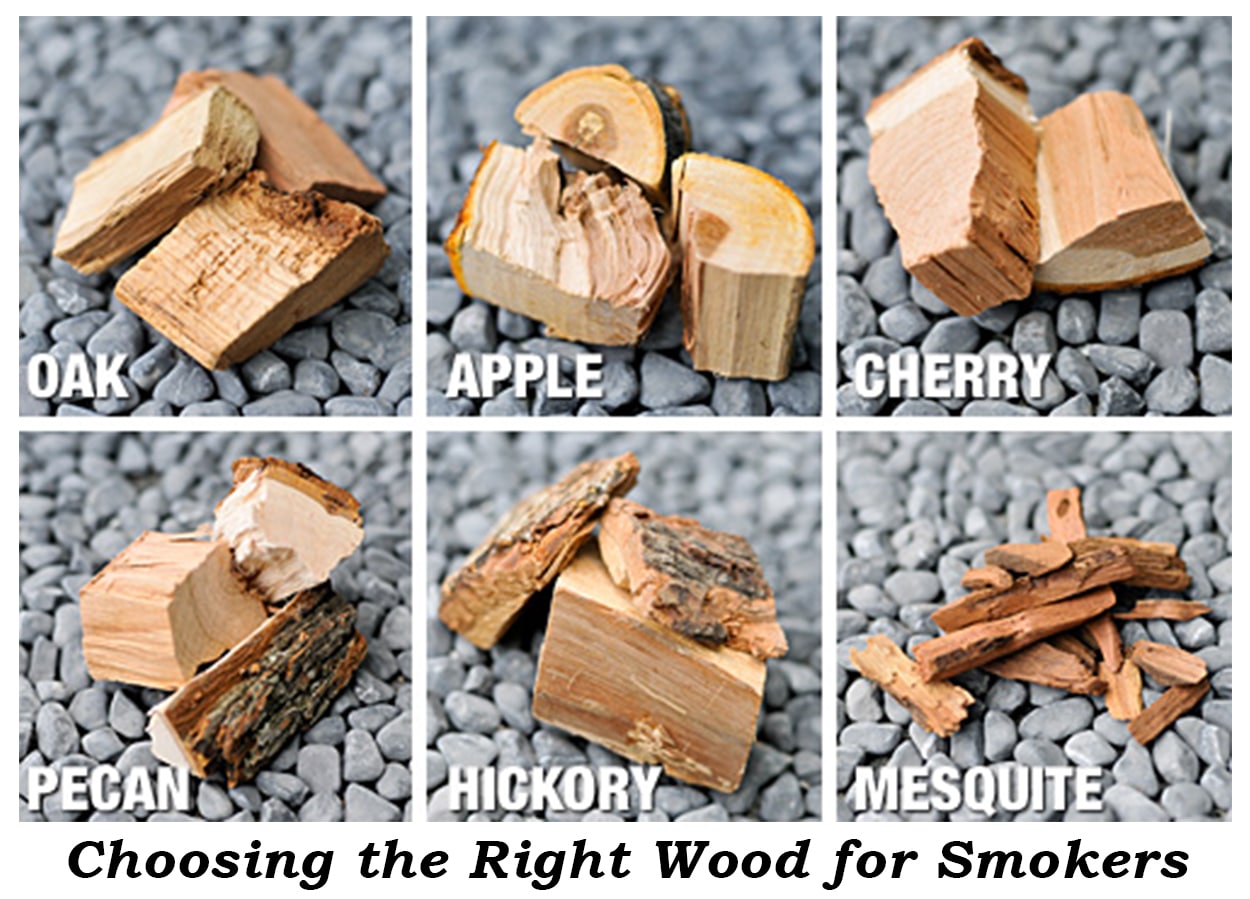
Smoking woods generally fall into three intensity tiers, and matching the tier to your cook matters more than most beginners realize. Pitmaster reference guides like the one at Smoking-Meat.com’s wood guide break this down in more depth if you want the full species-by-species rundown, but here’s the version that actually matters at the hopper.
Mild: Apple, Cherry, Pecan
These fruit and nut woods bring a subtle sweetness without overwhelming delicate proteins. This is where I’d point any beginner starting out, and it’s genuinely hard to overdo these even if you’re a little heavy-handed with the hopper.
Medium: Oak, Hickory
Oak is the true all-purpose wood, a well-rounded, medium-intensity smoke that pairs with nearly anything without dominating it. Hickory is the flavor most people actually picture when they think “classic barbecue,” a rich, slightly sweet, almost bacon-like profile that works beautifully across beef, pork, and poultry alike.
Bold: Mesquite
Mesquite is the most intense wood in common use, burning hot with heavy smoke and an earthy, aggressive flavor. It’s fantastic on the right cook and genuinely unpleasant on the wrong one, which is exactly the lesson I learned the hard way.
What to Actually Pair With What
- Brisket: Oak or hickory. Oak gives you steady, medium-strong smoke that won’t fight the beef; hickory pushes stronger and more traditional.
- Ribs: Hickory, apple, or cherry are the safest starting points. Hickory brings that classic BBQ backbone; apple and cherry add sweetness and a nice mahogany color to the bark.
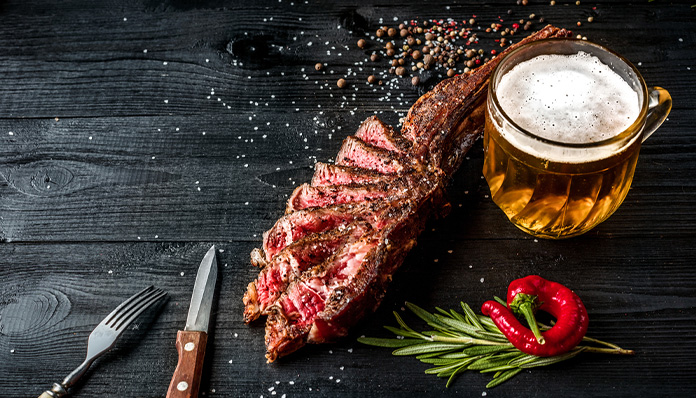
- Steaks and other quick, hot cooks: This is actually where mesquite shines, since the short cook time doesn’t give the intense flavor time to turn bitter the way it can over a 12-hour brisket smoke.
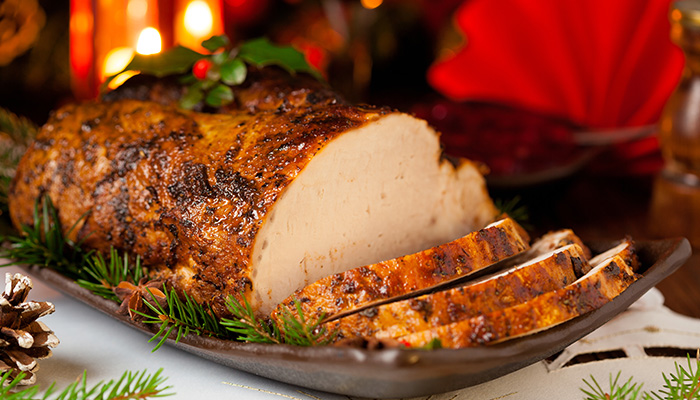
- Poultry: Go milder here, apple and pecan are my go-to, chicken and turkey pick up smoke flavor fast and don’t need much help.
- Fish: Alder is the traditional choice if you can find it, otherwise stick to the mild end of the spectrum.
Blending Is Underrated
Some of the best results I’ve had came from blending rather than picking a single wood. Hickory and cherry together on ribs gives you the classic backbone with a hint of sweetness. Oak and mesquite on a big beef cook lets the mesquite contribute intensity without fully taking over, since the oak dilutes it. Apple and pecan on poultry adds complexity without pushing past what a lighter meat can handle.
If you’re running mesquite at all, my rule now is to blend it with something milder unless it’s a genuinely short cook, or use a light hand and add more partway through if you decide you want it stronger. It’s much easier to add smoke than to take it away.
Pellets vs Chunks vs Chips: Does It Matter for Flavor?
The wood species matters more than the format for flavor itself, but format affects how that flavor gets delivered. Pellets burn efficiently and consistently in an auger-fed system, which is why they’re the standard for pellet smokers. Chips work well in the side-loader trays common on gas smokers, where you’re adding smaller amounts more frequently. Chunks are the choice for charcoal setups where you’re nestling them directly into the coals for a longer, slower smoke release.
How to Tell If a Bag of Pellets Is Actually Good
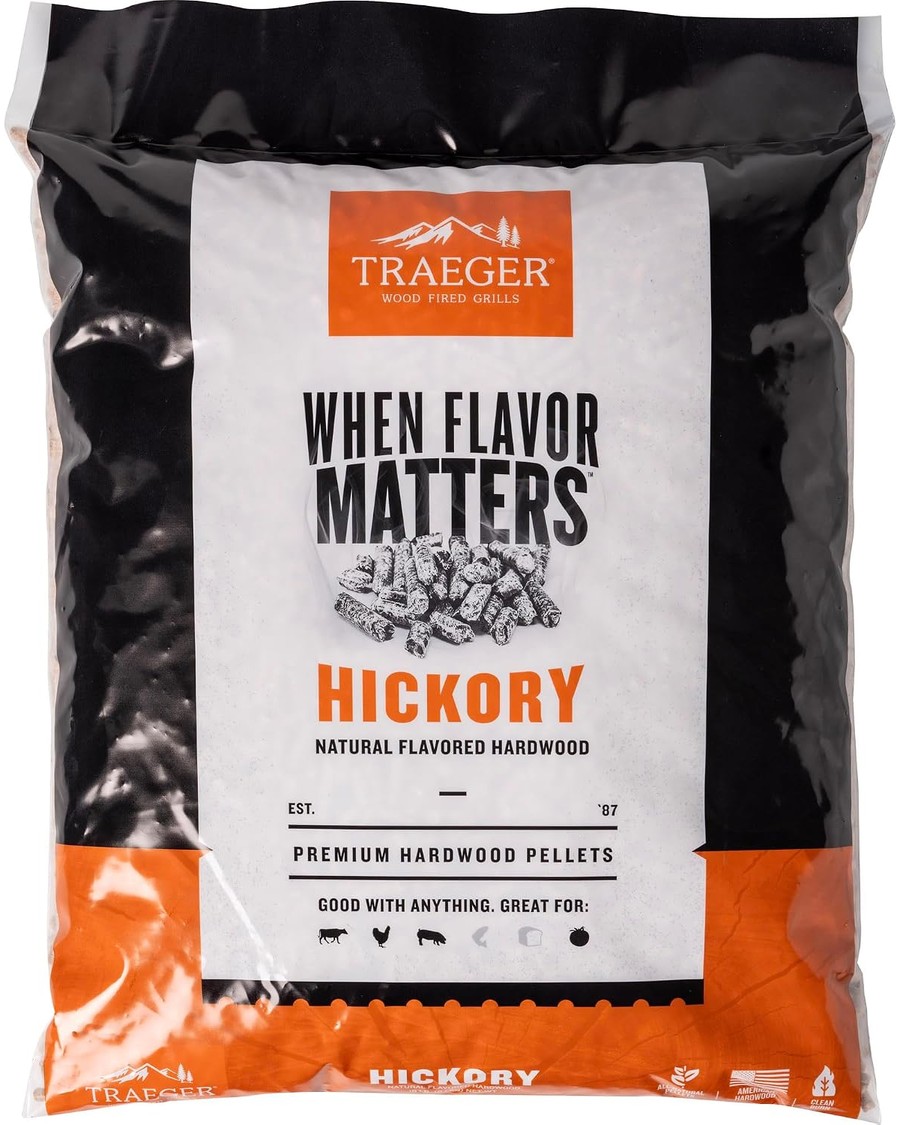
Not all pellets are created equal, even within the same wood species. I’ve learned to check a few things before buying now. Good pellets should feel dense and solid, not crumbly, when you squeeze the bag through the plastic. Shake it and listen: a lot of fine dust settling at the bottom means the pellets have already started breaking down, either from age or lower manufacturing quality. Look at the ingredient list too, a genuinely single-species hardwood pellet with no fillers will usually say so plainly; vague labeling like “BBQ blend” without naming the actual wood species is often a sign of cheaper filler content mixed in.
I also pay attention to where the pellets are made. Domestically produced hardwood pellets from established smoker or grill brands have been consistently reliable for me, while some bargain imported bags have burned noticeably dirtier and left more ash residue in the firepot, exactly the kind of buildup that leads to the maintenance headaches I’ve written about separately.
Storage Tip That Saves You Money
Pellets are basically compressed sawdust held together with natural lignin, no glue or binder in a quality product, which means they’re extremely sensitive to moisture. A bag left open in a humid garage will swell, crumble, and eventually turn back into sawdust that won’t feed properly through an auger. Keep unopened bags somewhere dry, and once opened, transfer to a sealed container rather than trusting the bag’s own closure.
Whatever wood you land on, start milder than you think you need to. You can always run a stronger blend next time. You can’t un-ruin a brisket, as I found out the hard way.