A few summers ago, a family friend’s propane tank connection failed mid-cook. Nobody was hurt, thankfully, but the flare-up singed the siding on his deck and scared his kids badly enough that his wife wouldn’t let him near the grill again until he’d had it inspected. It’s the kind of story that sticks with you, and it’s why I run through the same checklist before every single propane cook, even after nearly two decades of doing this.
None of this is meant to scare you off gas smoking. I still think it’s one of the best entry points for anyone new to smoking meat, our gas smoker reviews cover exactly why. But propane deserves real respect, not just a warning sticker you glance at once and forget.
Why This Actually Matters
According to data tracked by the National Fire Protection Association, U.S. fire departments respond to an annual average of over 12,000 residential fires involving grills, hibachis, and barbecues, with leaks or breaks in the gas line accounting for a meaningful share of the causes. Separately, fire departments respond to an average of roughly 125,000 residential natural gas or propane leaks every year, a number that’s climbed noticeably over the past couple decades as more households own gas appliances. These aren’t reasons to panic, they’re reasons to build a five-minute habit.
My 7-Point Checklist Before Every Cook
The soapy water test. Mix dish soap with water, brush it onto every connection point, hose, regulator, tank valve, and watch for bubbles with the gas on and the burner off. Bubbles mean a leak. This takes two minutes and it’s the single most useful habit I have.
Check the hose for cracking or brittleness. Rubber degrades with UV exposure over a season or two outdoors. Run your fingers along the full length, not just a glance.
Clear the burner area of grease buildup. A failure to clean the grill is consistently one of the top-cited causes in grill fire investigations, grease ignition is a completely preventable failure.
Give it at least 10 feet of clearance from siding, railings, overhangs, and anything dry enough to catch a spark.
Never leave it fully unattended for long stretches, especially in the first 20 minutes when flare-ups are most likely.
Keep a spray bottle of water and a proper fire extinguisher nearby, not just “somewhere in the garage.”
Store the tank upright, outdoors, away from direct sun when it’s not connected, and never store a spare tank indoors or in an attached garage.
What to Do If You Smell Gas
If you smell propane’s distinctive rotten-egg odor before ignition, don’t try to find the source with a lighter or match. Shut off the tank valve, move away, and don’t operate any switches or create sparks nearby. If the smell persists after shutting off the supply, that’s a call-a-professional situation, not a troubleshoot-it-yourself one.
The Regulator Is the Part People Forget
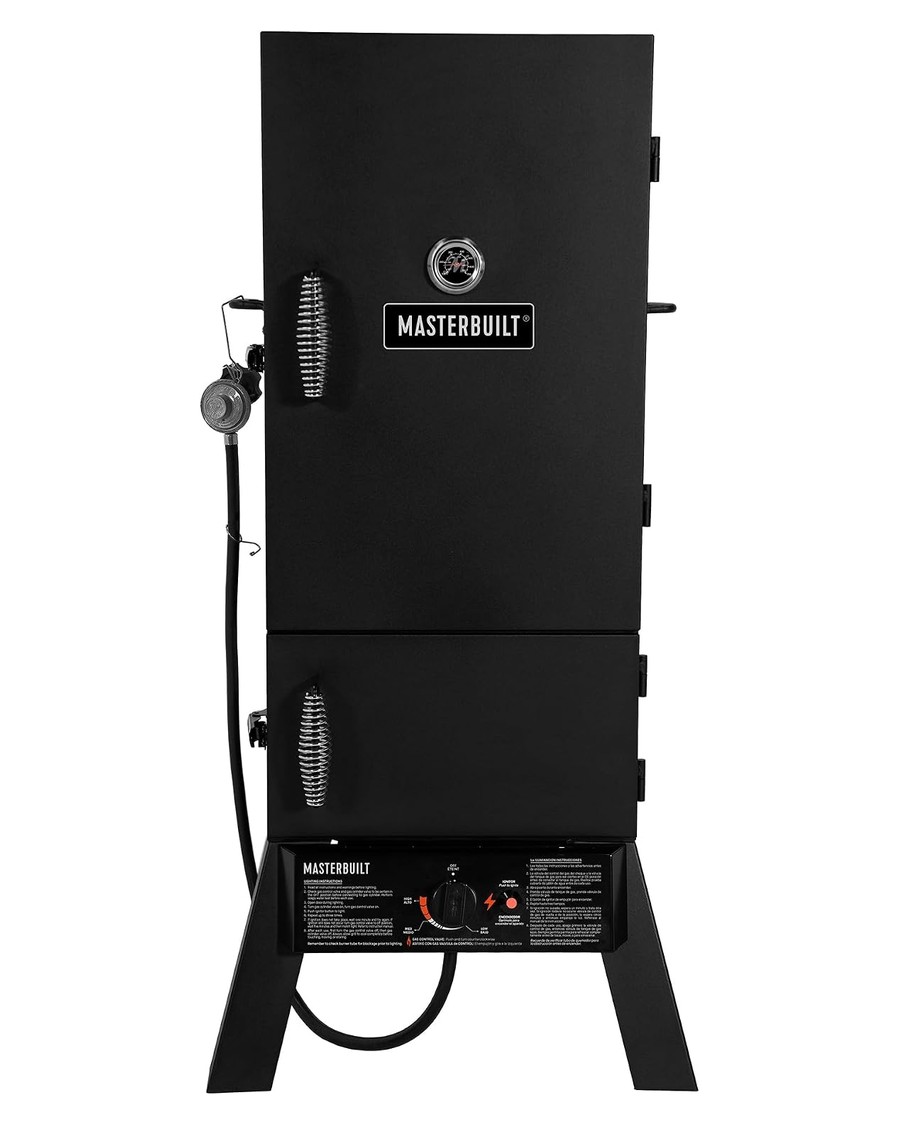
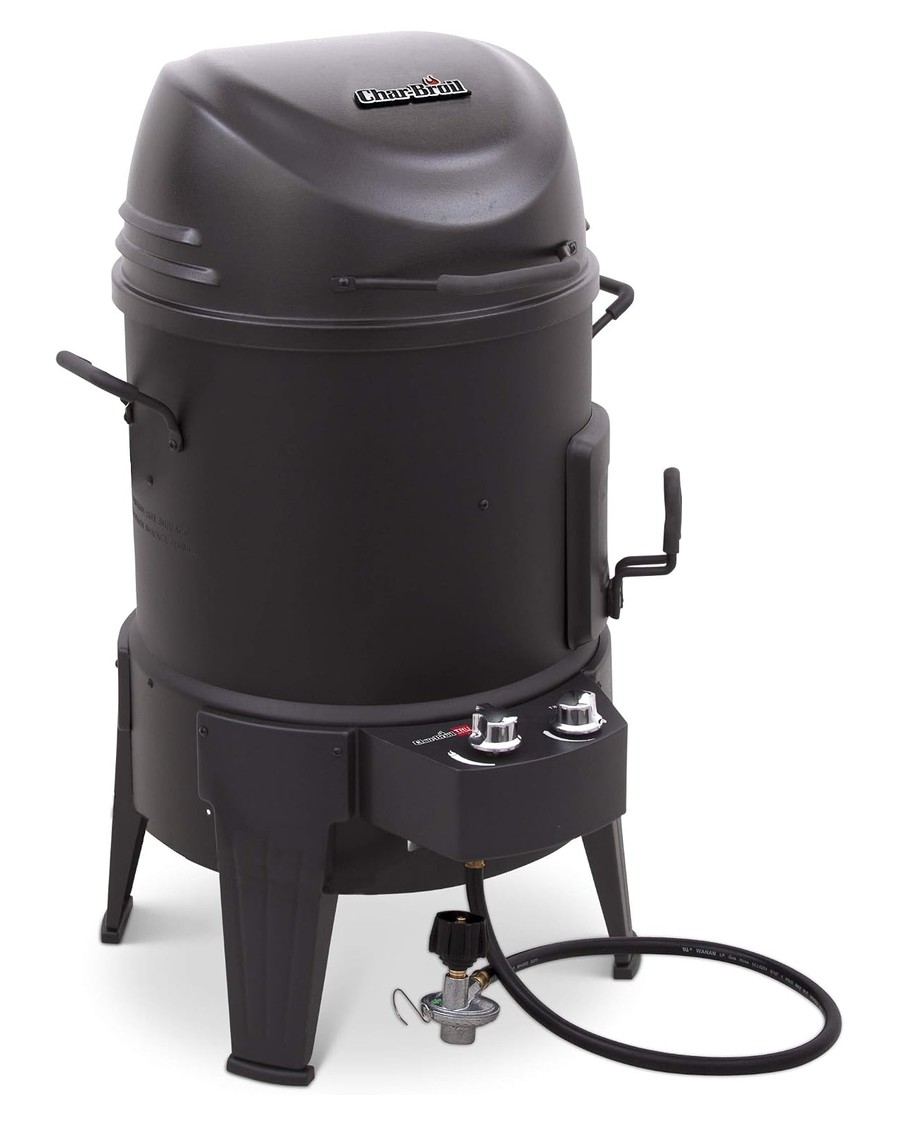
Most of the checklist advice out there focuses on the hose and the tank, but the regulator is honestly where I see the most wear over time on smokers people have owned for a few years. It’s the small valve assembly that steps down tank pressure to something your burner can actually use safely. If yours has ever been dropped, submerged, or exposed to a hard freeze, it’s worth replacing rather than trusting it to keep working correctly. They’re inexpensive compared to the alternative, and most manufacturers sell direct replacements that fit without modification.
I also learned the hard way that not all regulators are created equal. A cheap aftermarket one on an older smoker of mine delivered inconsistent pressure on windy days, which I originally blamed on the burner itself before realizing the regulator was the actual culprit. Swapping it out fixed a problem I’d been fighting for an entire season.
Seasonal Storage Matters More Than You’d Think
If you’re putting your smoker away for winter, don’t just throw a cover on it and walk away. Disconnect the tank and store it outdoors in a shaded, ventilated spot, propane tanks are designed to vent excess pressure, and an indoor or enclosed space defeats that safety feature entirely. For the smoker itself, a light coat of high-heat grill wax on exposed metal before it sits unused for months goes a long way toward preventing the kind of rust that eventually eats through burner tubes.
The Habit That Actually Sticks
Here’s the honest truth: nobody does a thorough safety check every single time forever. What works is attaching it to something you already do. I check my connections every time I bring the tank in from storage, and I do a quick visual on the hose every time I hook it back up. It’s not a big production, it’s thirty seconds folded into a task I was doing anyway.
My friend’s deck healed fine, by the way, and he’s back to grilling, now with a proper leak-check habit he never skips. If you’re shopping for a new propane smoker and want one with a reputation for solid regulator and connection quality, our current top picks go through exactly this kind of scrutiny before they make the list.